Fit
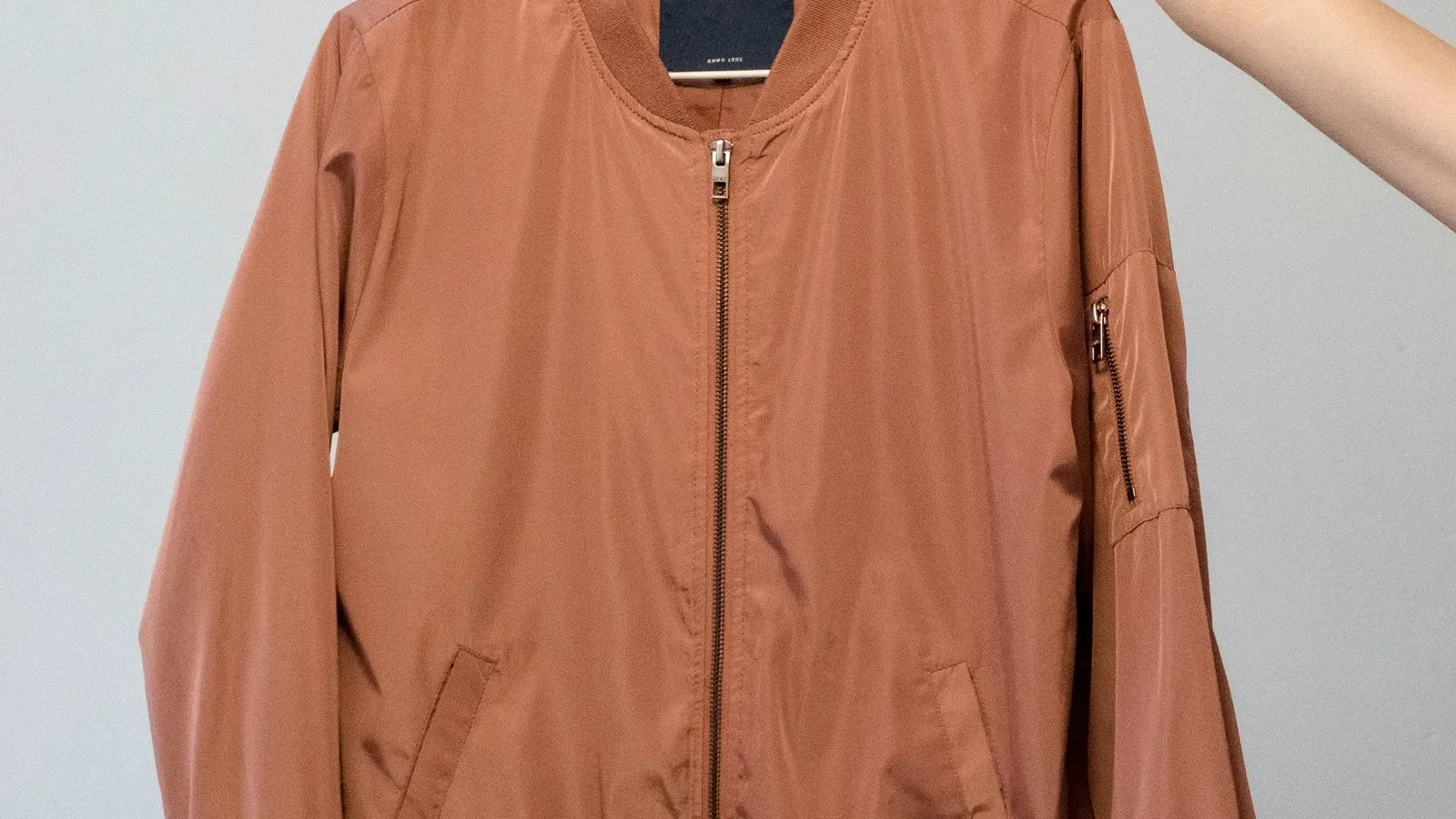
Outerwear That Fits Across Bust and Hips
Coats fail first at the bust, hip and sleeve. Which measurements, cuts and closures keep outerwear wearable when proportions are not a straight size.
Read the guide
September style edit
Softer tailoring, cleaner denim, useful colour and a sharper fitting-room method. Still built around measurements, fabric and construction.
Three practical guides to the ideas changing the way plus-size wardrobes are put together now.
Fit
Coats fail first at the bust, hip and sleeve. Which measurements, cuts and closures keep outerwear wearable when proportions are not a straight size.
Read the guide
Style and Trends
Softer tailoring still has to hold a line. Shoulders, lapels, fabrics and alterations that make a relaxed blazer look intentional on a fuller figure.
Read the guide
Style and Trends
A large print can be flattering when the garment keeps a simple line. Learn how scale, contrast and placement change the way a pattern reads on a larger body.
Read the guideNew ways to judge fit, choose fabric and make the clothes you own work harder.
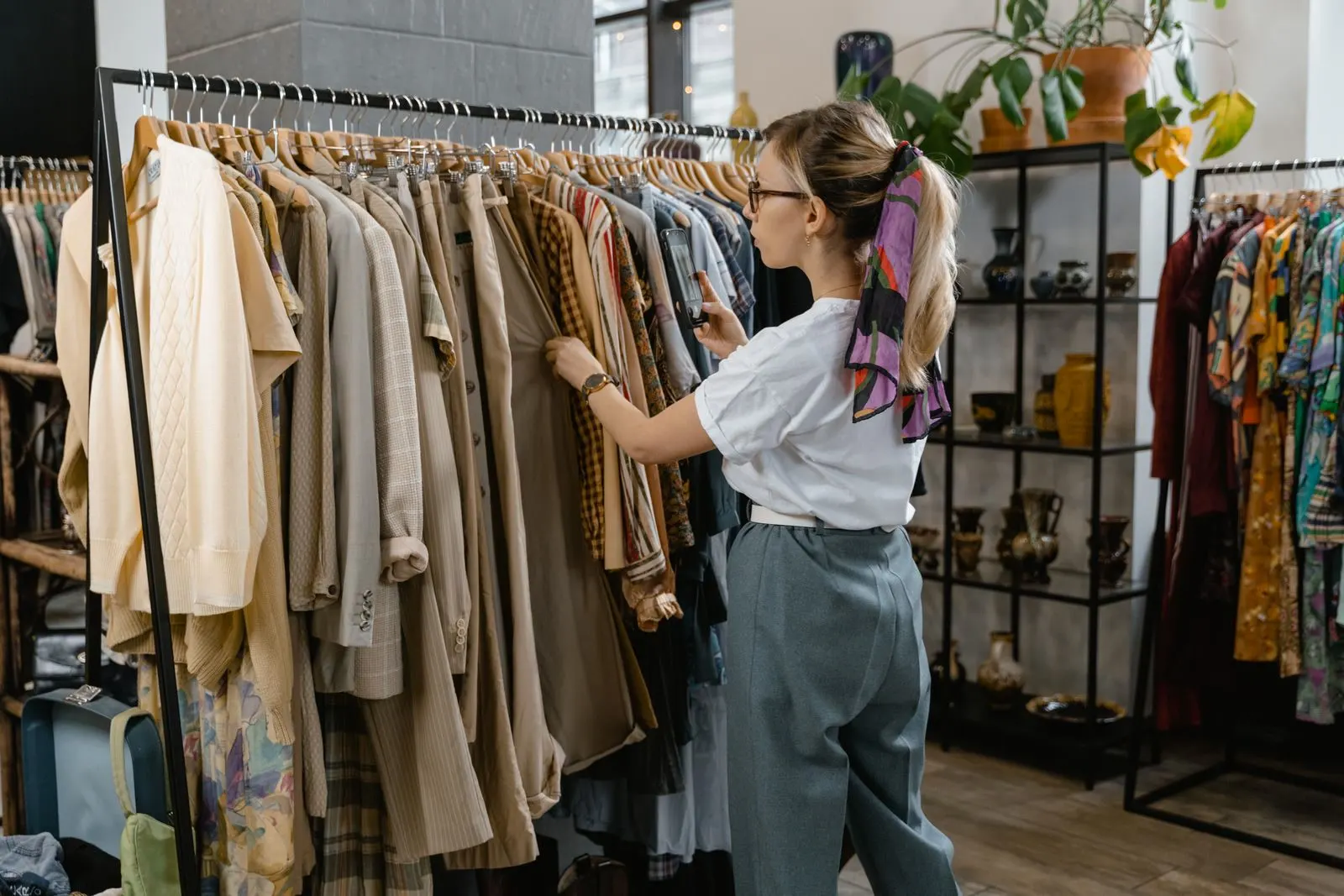
Wide-leg trousers are one of the most useful shapes in a current wardrobe, and one of the easiest to get wrong. A pair that hangs cleanly can make the whole outfit look longer and more relaxed. A pair with the wrong rise or hem can make the wearer look as if they are standing inside a rectangle. The difference is usually in four measurements: rise, hip room, leg opening and length. Fabric and pressing decide how clearly those measurements show. Start with the rise The rise determines where the trouser begins. A high rise can create a long line through the leg and keep the waistband above the part of the stomach that changes most during the day. A mid rise can feel more casual. A low rise often works best when the waist and hip difference is small and the fabric has recovery. For most plus-size bodies, the useful test is not whether the rise reaches a particular point on the torso. It is whether the waistband stays level when you sit, bend and walk. If it rolls down at the front or gaps at the back, the rise and the waist-to-hip relationship are wrong. Check the crotch curve as well. It should follow the body rather than hang low between the legs. Extra fabric there does not read as a relaxed fit. It reads as a pattern that was graded from a straighter body. Give the hip the room it needs The hip is usually the controlling measurement in a woven trouser. If the hip is tight, the pockets pull, the front creases radiate and the side seams swing forward. Stand in front of a mirror with the trousers fastened. Look at the side seam from the waist to the hem. It should fall close to vertical. If it curves inward or outward, there is a balance problem. Sometimes the waist can be adjusted, but a hip that is substantially too small cannot be fixed by letting out a seam that has no allowance. Also check the pocket position. A pocket that sits too low or opens under tension makes the hip look wider than it is. A pocket that sits slightly higher and lies flat usually gives a cleaner line. The leg opening changes the whole proportion A wide-leg trouser should not simply be a straight tube. The leg opening needs to relate to your shoe and to the rest of the outfit. A very wide hem can be dramatic, but it needs a longer length and a substantial shoe to keep the line continuous. A moderate wide leg is easier to wear because it clears the shoe without folding. A soft wide leg in a fluid fabric reads more like a skirt; a crisp wide leg reads more architectural. When you try the trousers on, look at the outside line of the leg. It should fall in a controlled line rather than collapsing into the ankle. If the fabric pools in several folds, the hem is too long or the cloth does not have enough weight. Hem to the shoe you will actually wear A trouser hem can be cut to graze the shoe, break once, or pool slightly. All three can work. The mistake is choosing one length and expecting it to work with every shoe. For a clean, modern line, take the trousers to the shoe you wear most often, or choose a shoe height you are willing to repeat. A flat shoe makes the hem sit lower. A heel changes the angle of the whole leg. If you wear both, decide which version matters more and keep the other one within a small range. If the trouser has a crease, check that the crease runs down the center of the leg after hemming. A tailor can preserve it, but a casual hemming service may not. Ask before the cut is made. Fabric and press are part of the fit A wide leg in a light, clingy fabric will show every change in the body and every fold from sitting. A mid-weight woven with a little stretch, a wool blend or a firm cotton can hold a line without feeling stiff. Press matters as much as composition. A sharp crease can make casual trousers look formal, while a soft fold can make a tailored trouser look tired. If the fabric wrinkles heavily after ten minutes, it may still be useful for a relaxed outfit, but it will not give you the clean line of a dress trouser. What a tailor can change Hemming is straightforward. Taking in the waist and adjusting the seat are also routine when there is enough seam allowance. Shortening the rise or changing the crotch curve is more involved and should be quoted before you commit. The leg width can sometimes be reduced, but changing it too much alters the proportion of the pocket and the drape. If the trousers are much too wide at the knee and hem, start again with a different cut rather than asking a tailor to rebuild the pattern. Build the outfit with one clear vertical Wide-leg trousers look most intentional when the top follows the same vertical idea. A tucked shirt, a short jacket or a column layer keeps the waist visible. A long, voluminous top over a very wide leg can still work, but the two volumes need contrast in fabric or length. Shoes should support the hem. A pointed toe, a square toe or a clean loafer continues the line better than a delicate sandal that disappears under the fabric. If the trousers are the statement, keep the bag and jewellery quiet. If they are the base, let the jacket or knit carry the color. The best wide-leg trouser is not the widest one you can find. It is the one that stays level at the waist, clears the hip without pulling, and falls cleanly from the crease to the shoe. Related reading: How to Hem Plus-Size Trousers and The Denim Update for Curves.

Denim is having a cleaner moment. The stiff, high-stretch jegging shape is no longer the only option, and a straight or wide leg can look more current than a skinny jean. The change is welcome, but it also asks more from the fabric and the fit. A denim jacket or pair of jeans has to do three things at once: follow the body, recover after movement and keep a line. When one of those is missing, the garment feels dated even if the cut is right. Read the stretch percentage Stretch is not the enemy. It makes a woven fabric easier to wear over a body that changes shape when sitting and standing. The problem is too much stretch without enough recovery. Look at the fiber content. A small percentage of elastane or a mechanical stretch can give comfort while the cotton keeps the denim's character. A very high stretch content can feel comfortable in the shop and then grow through the day. By the afternoon, the knees have bagged, the waist has loosened and the seat has lost its shape. Press the denim in your hand and let go. Good denim springs back rather than staying compressed. If the fabric feels thin and elastic, treat it as a soft legging rather than a structured pair of jeans. Check the waistband while seated The waistband is the most revealing part of a jean. Stand, sit and bend forward. The waist should stay close without digging in. If it gaps at the back while standing but sits flat when seated, the rise and seat may be wrong rather than the waist size. A curved waistband often fits better when the waist-to-hip difference is large. A straight waistband can work when the body is straighter through the middle. If the waistband rolls, the fabric may be too soft or the rise too low. Do not rely on the label. Denim sizing varies, and a waist measurement taken flat is more useful than a number. Compare the waist, hip and inseam with a pair you already wear. Choose the leg by the shoe A straight leg is the easiest modern shape to wear because it clears the calf and falls to the shoe without clinging. A wide leg gives a stronger line but needs more length. A tapered leg can look sharp when the rise is high and the fabric has enough weight. Check the leg opening against the shoe. A straight jean should skim the shoe rather than gather over it. A wide jean should reach the top of the foot without collapsing. If the hem folds into a pile, the inseam is too long for the shoe you are wearing. The knee is another useful checkpoint. If the fabric twists toward the inside or outside, the leg is not hanging straight. That can be a fit issue or a pressing issue, but it is rarely solved by buying a smaller size. Make the jacket work over a real outfit A denim jacket is usually bought in summer and worn in autumn, so test it over the layer you will actually wear. A fitted jacket that closes over a T-shirt may not close over a knit. The shoulder should sit where your shoulder ends. The sleeve should clear the upper arm when you reach forward, and the armhole should not pull the body across the back. A denim jacket can be slightly boxy, but it should not feel like a box that has been placed on top of you. Length matters too. A cropped jacket stops at the waist and can create a strong horizontal line. A hip-length jacket lengthens the torso but can cover the waist. Try both with the trousers you own. The better choice is the one that keeps the outfit's vertical line clear. Wash less, but wash properly Denim keeps its shape best when it is not washed after every wear. Air it, spot-clean it and wash it when it actually needs washing. When you do, turn it inside out, use a cool gentle cycle and avoid a hot dryer. Heat is what breaks down stretch fibers and fades indigo. If the jeans fit well, protect that fit by drying them flat or hanging them in the shade. A little care keeps the waist from relaxing and the color from looking flat. If the jeans feel tight after washing, wear them for twenty minutes before deciding they are wrong. If they feel loose after an hour, the recovery is not good enough. Denim should return to roughly the same shape each time, not keep a record of every sitting position. Keep the outfit current without chasing trends The modern denim outfit is not complicated. A straight or wide jean with a fine knit, a tucked shirt or a soft blazer is enough. Add one strong accessory and keep the rest quiet. If you want a trend detail, choose one that changes the mood without changing the fit: a darker wash, a contrast stitch, a cleaner hem or a jacket with a slightly softer shoulder. The best denim purchase is the one you can wear with the clothes already in your wardrobe, not the one that only works in the photograph that made you buy it. Related reading: Wide-Leg Trousers: Length, Rise and Proportion and How to Hem Plus-Size Trousers.
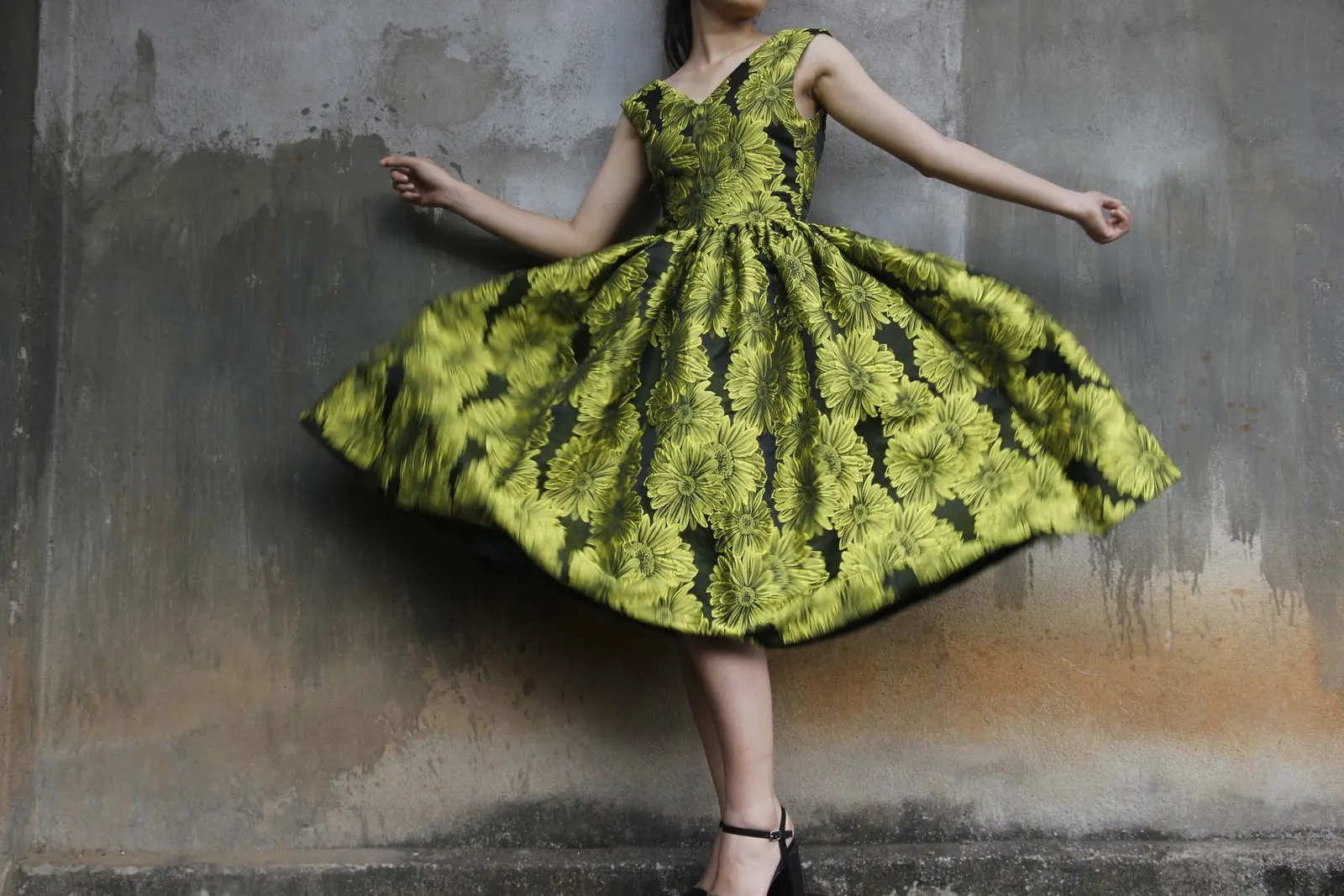
The old rule was simple: darker colours make a body look smaller. It is not wrong, but it is incomplete. Colour does not only change width. It also changes where the eye stops, which part of the outfit feels close and which part feels distant, and how clearly the body's vertical line reads. Used deliberately, colour can work like a tailor. It can create a waist without a belt, lengthen a leg without a heel and make a soft garment feel more structured. Value matters more than the colour name Value is how light or dark a colour appears. A deep burgundy and a pale pink are different values even though both are in the red family. A navy and a cobalt blue can have very different visual weight. When two pieces are close in value, the outfit reads as one continuous shape. When one is much lighter or darker, a line appears where they meet. That line can be useful or distracting. If you want a long, continuous line, wear a top and trouser in the same value or a close tonal range. If you want to define a waist, place the contrast at the waist. If you want to break up the hip, let a jacket or shirt end at that point in a clearly different value. Use contrast to create a deliberate waist A tucked top in a lighter colour and a dark trouser creates a strong horizontal break. That can define the waist, but it also shortens the torso if the top is very short. A top that ends lower, or a column of tonal colour behind it, keeps more of the vertical line. A belt is not the only way to create a waist. A short jacket over a longer base, a wrap front, a seam or a change in shine can do the same job with less interruption. This matters when a belt adds pressure or when the waistband is not the part of the outfit you want to emphasize. The most useful contrast is the one that appears where you want the eye to rest. If the strongest light-dark break is at the hip, that is where people will look first. Move the contrast to the face, the shoulder or the waist if you want a different focus. The new neutrals are wider than beige Neutral does not mean only black, white and beige. Chocolate brown, deep olive, slate blue, charcoal, cream and soft grey all behave as neutrals when they are used as the base of an outfit. A broader neutral palette gives you more ways to build around skin tone and hair without making the whole wardrobe look flat. It also makes sales shopping easier: a strong colour can sit beside several bases rather than only matching black. When you buy a neutral, check how it looks beside the colours you already wear. A cool grey can make warm rust look muddy. A warm cream can make cool lilac look clearer. The same color can read completely differently depending on its neighbours. Bright colour does not need to be minimized One bright piece can be the anchor of an outfit. A cobalt shirt, a red skirt or a green dress does not need to be balanced by several other bright pieces. Let the rest of the outfit support it. If the bright piece is large and close to the body, choose a fabric that holds its shape. A bright print or shiny fabric reflects more light and makes folds more visible. A matte woven or a dense knit creates a quieter surface even when the colour is strong. If you want to wear several colours, keep the values related or repeat one colour through the outfit. A small bag, shoe or scarf in the same family can make the combination look intentional rather than accidental. Colour at the face changes the whole outfit The area around the face carries a different kind of contrast. A collar, neckline, scarf or earring can brighten the face without changing the fit of the garment. This is more useful than the old instruction to wear a dark top and bright accessory. A dark top can be the right base, but a neckline that is too high, too wide or too tight will still create the wrong line. Colour can guide the eye, but it cannot solve a neckline that pulls. Try the same top with two different scarves, collars or necklaces. Notice which one makes the face look clearer before you notice the accessory. The best option is often the one that repeats a colour already in your skin, hair or eyes, not the one that matches the trousers. Let the outfit change with the light Colour is affected by the room, the weather and the time of day. A deep green can look almost black indoors and rich and visible outdoors. A pale grey can disappear against a bright wall. This is one reason an outfit can look good in a fitting room and different at home. Before buying, take a photograph in daylight if you can. Check where the strongest contrast sits and whether the colour still separates from your hair and skin. If the garment only works in one light, it may still be worth owning, but choose it for the right occasion. Colour is not a corrective tool. It is a way of editing attention. Once you know where you want the line to read, it becomes as practical as a seam or a hem. Related reading: Bold Print, Simple Line and Statement Accessories: Change the Line.
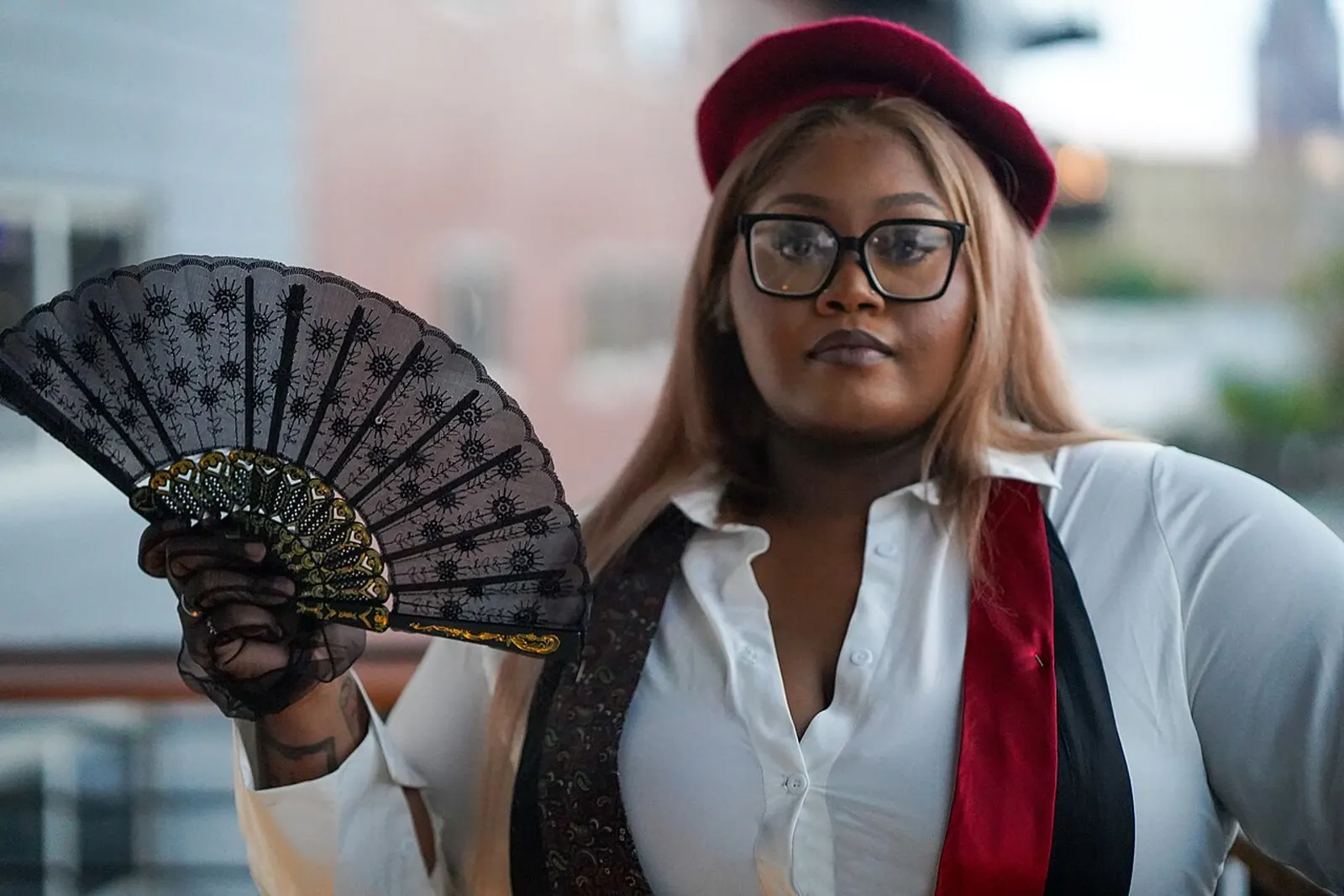
Accessories are often treated as the last step, after the real decisions have been made. In practice they can do more than a new top. A scarf, belt, bag or pair of shoes changes where the eye stops and how the proportions of an outfit read. The key is to choose the job before choosing the object. Do you want to define a waist, lengthen a leg, bring colour to the face or balance a voluminous garment? Each task points to a different accessory. A belt is a line, not a punishment A belt creates a horizontal line at the waist. That can be useful when a dress or shirt has no shape of its own, but it is not automatically flattering. A wide belt over a thick fabric can add bulk, while a narrow belt can disappear under a relaxed top. Try the belt over the garment rather than under it. The belt should sit where the body naturally narrows, or slightly above if you want a higher proportion. If it rolls up or digs into the stomach when you sit, the belt is not the right width or the garment is too thick for it. There is also the option of no belt at all. A long cardigan, an open jacket or a vertical seam can create a line without compressing the middle. The goal is a visual waist, not a tighter body. Choose the bag to balance the silhouette A very small bag can look delicate beside a large coat, but it can also disappear. A very large bag can make a soft outfit look heavier. The useful size is the one that relates to the volume of the outer layer. Look at where the bag sits. A shoulder bag creates a vertical line at the side of the body. A crossbody bag adds a diagonal line and can break up a large expanse of colour. A top-handle bag keeps the line shorter and more formal. If you are wearing a wide-leg trouser or a long coat, a bag that ends around the waist or hip can create a useful point of interest. If you are wearing a close column, a longer shoulder bag can extend the line. Move the strap and notice what happens before deciding. Scarves work at the face and the neckline A scarf is especially useful when a neckline is close but not quite right. A long, narrow scarf creates a vertical line. A large square worn close to the neck adds volume at the top. A fine silk or lightweight wool can bring colour to the face without adding much weight. The knot matters. A tight knot at the center of the throat can make the neck look shorter, while an open loop or a long drape keeps the neckline visible. If the scarf is very bulky, let the rest of the outfit stay simple. Pattern can also be introduced here more easily than in a garment. A printed scarf offers the colour and energy of a print without requiring you to fit a whole garment around the motif. Jewellery changes scale A substantial chain or earring can hold its own beside a bold print or a wide collar. A delicate piece can be lost next to heavy fabric but works well with a fine knit or a simple neckline. Scale is not the same as size. A large piece can feel light if it has open space or a thin edge. A small piece can feel heavy if it is dense and dark. Hold the jewellery against the garment in daylight and look at the balance before you commit. If you have a short neck or a high collar, a drop earring may be more useful than a choker. If you have a long neck or an open neckline, a collar or layered chain can fill the space. These are proportions, not rules. Shoes control the finish The shoe changes the angle of the leg and the point at which the hem stops. A pointed toe extends the line. A round toe looks softer. A chunky sole adds visual weight at the bottom of the outfit. When a trouser has a wide hem, choose a shoe that can carry the width. When a skirt has a lot of volume, a finer shoe can keep the bottom from looking heavy. When the outfit is very simple, a strong shoe can be the statement. Comfort is part of proportion. If you cannot walk naturally, the line will change as soon as you leave the house. Choose a shoe height you can repeat, then hem the garment to that height. One statement is usually enough The most reliable accessory outfit has one main event: a strong bag, an architectural earring, a vivid scarf or a sculptural shoe. The other pieces support it without trying to compete. That does not mean everything else has to be boring. It means the hierarchy should be clear. If the outfit already has a bold print, a large collar and a dramatic sleeve, the best accessory may be a small, quiet one that lets those decisions speak. Try every accessory in front of a full-length mirror rather than from the waist up. Proportion is a full-body question. The piece that works best in a close-up may be the one that makes the whole outfit feel unbalanced. Related reading: Bold Print, Simple Line and Colour as a Fit Tool.
Most capsule wardrobe lists assume that the body stays the same. They tell you to buy ten perfect pieces and wear them forever. That is not how clothes work for many people, especially when weight, medication, pregnancy, recovery or simply the seasons change the way a garment fits. A more useful capsule is built around adjustment. The pieces should work at more than one size, layer over each other and be easy to alter. The aim is not a perfect uniform. It is fewer decisions with more ways to adapt. Start with the pieces that carry a line A structured blazer or light jacket is the first piece because it changes the shape of everything underneath. Choose one with a shoulder that fits and a front that can be worn open or closed. A soft tailored jacket is more flexible than a rigid one. A fine knit or smooth shirt is the second. It should be close enough to layer under the jacket without adding bulk, but not so tight that it strains across the bust. A half-button placket or an open collar gives you options for temperature and neckline. A clean T-shirt in a fabric with some weight is the third. It can be worn alone, tucked, layered or used as a base under a dress. Look for a hem that is long enough to stay put and a neckline that does not stretch out after washing. Build the lower half around two shapes One dark trouser with a clean line and one straight or wide jean will cover most days. The trouser should be comfortable at the waist and long enough to hem to your usual shoe. The jean should have good recovery so it does not grow through the day. If you wear skirts, a midi skirt in a simple shape can replace or join one of those pieces. A straight or softly flared skirt is easier to alter than a bias skirt, and it can be worn with the same knit, shirt and jacket. The important question is not whether the piece is classic. It is whether you can sit, walk and layer in it. A trouser that is beautiful but uncomfortable will not become a wardrobe base. Choose one layer for changing temperatures A long cardigan, a lightweight coat or a shirt jacket gives you a middle layer that can be removed without dismantling the outfit. It should be roomy enough to wear over the knit and the shirt, but not so oversized that it removes every line. Check the armhole and the length. A layer that is tight under the arm will make the whole outfit feel smaller. A layer that ends at the widest part of the hip can create a horizontal line, so try a shorter or longer hem as well. Add one piece that makes the capsule feel personal The capsule does not have to be neutral. One printed dress, a vivid skirt, a scarf or a pair of strong shoes gives the group a mood. If the base is simple, this piece can change many outfits without requiring new basics. Choose it in a color you already enjoy wearing and in a fabric that works with the rest of the group. One strong piece is more useful than five half-loved trends. Make size changes part of the design Look for seam allowance, adjustable waists, wrap fronts, elastic inserts that can be hidden, and hems that can be shortened or let down. These features make a garment more useful over time and usually cost nothing extra. A tailor can take in a side seam, move a button or shorten a sleeve. They can rarely let out a garment that has no allowance. If you expect your size to change, buying a garment with a little extra room and a clear alteration path is more practical than buying two sizes and hoping. Wash and store the capsule so it lasts A smaller wardrobe has to survive more wears. Wash knitwear gently, reshape it flat and avoid hanging heavy pieces by the shoulders. Air trousers between wears and give stretch fabrics time to recover before they go back on. Store the pieces where you can see them. A capsule that is hidden in a drawer becomes a set of clothes you forget to wear. If a piece no longer works, alter it, pass it on or replace the role rather than keeping a broken system in the wardrobe. The ten pieces are a starting point A workable group might be: jacket, fine knit, shirt, clean tee, dark trouser, straight jean, midi skirt, layer coat, one strong dress and one pair of shoes. The number is not sacred. What matters is that the pieces speak to one another. Try building three outfits from the group before you buy anything new. If you can dress for work, a casual day and an evening without adding a special item for each one, the capsule is doing its job. Related reading: Wide-Leg Trousers: Length, Rise and Proportion and The Soft-Tailoring Edit: Blazers.