The Ten-Piece Curve Capsule for a Body That Changes
Most capsule wardrobe lists assume that the body stays the same. They tell you to buy ten perfect pieces and wear them forever. That is not how clothes work for many people, especially when weight, medication, pregnancy, recovery or simply the seasons change the way a garment fits.
A more useful capsule is built around adjustment. The pieces should work at more than one size, layer over each other and be easy to alter. The aim is not a perfect uniform. It is fewer decisions with more ways to adapt.
Start with the pieces that carry a line
A structured blazer or light jacket is the first piece because it changes the shape of everything underneath. Choose one with a shoulder that fits and a front that can be worn open or closed. A soft tailored jacket is more flexible than a rigid one.
A fine knit or smooth shirt is the second. It should be close enough to layer under the jacket without adding bulk, but not so tight that it strains across the bust. A half-button placket or an open collar gives you options for temperature and neckline.
A clean T-shirt in a fabric with some weight is the third. It can be worn alone, tucked, layered or used as a base under a dress. Look for a hem that is long enough to stay put and a neckline that does not stretch out after washing.
Build the lower half around two shapes
One dark trouser with a clean line and one straight or wide jean will cover most days. The trouser should be comfortable at the waist and long enough to hem to your usual shoe. The jean should have good recovery so it does not grow through the day.
If you wear skirts, a midi skirt in a simple shape can replace or join one of those pieces. A straight or softly flared skirt is easier to alter than a bias skirt, and it can be worn with the same knit, shirt and jacket.
The important question is not whether the piece is classic. It is whether you can sit, walk and layer in it. A trouser that is beautiful but uncomfortable will not become a wardrobe base.
Choose one layer for changing temperatures
A long cardigan, a lightweight coat or a shirt jacket gives you a middle layer that can be removed without dismantling the outfit. It should be roomy enough to wear over the knit and the shirt, but not so oversized that it removes every line.
Check the armhole and the length. A layer that is tight under the arm will make the whole outfit feel smaller. A layer that ends at the widest part of the hip can create a horizontal line, so try a shorter or longer hem as well.
Add one piece that makes the capsule feel personal
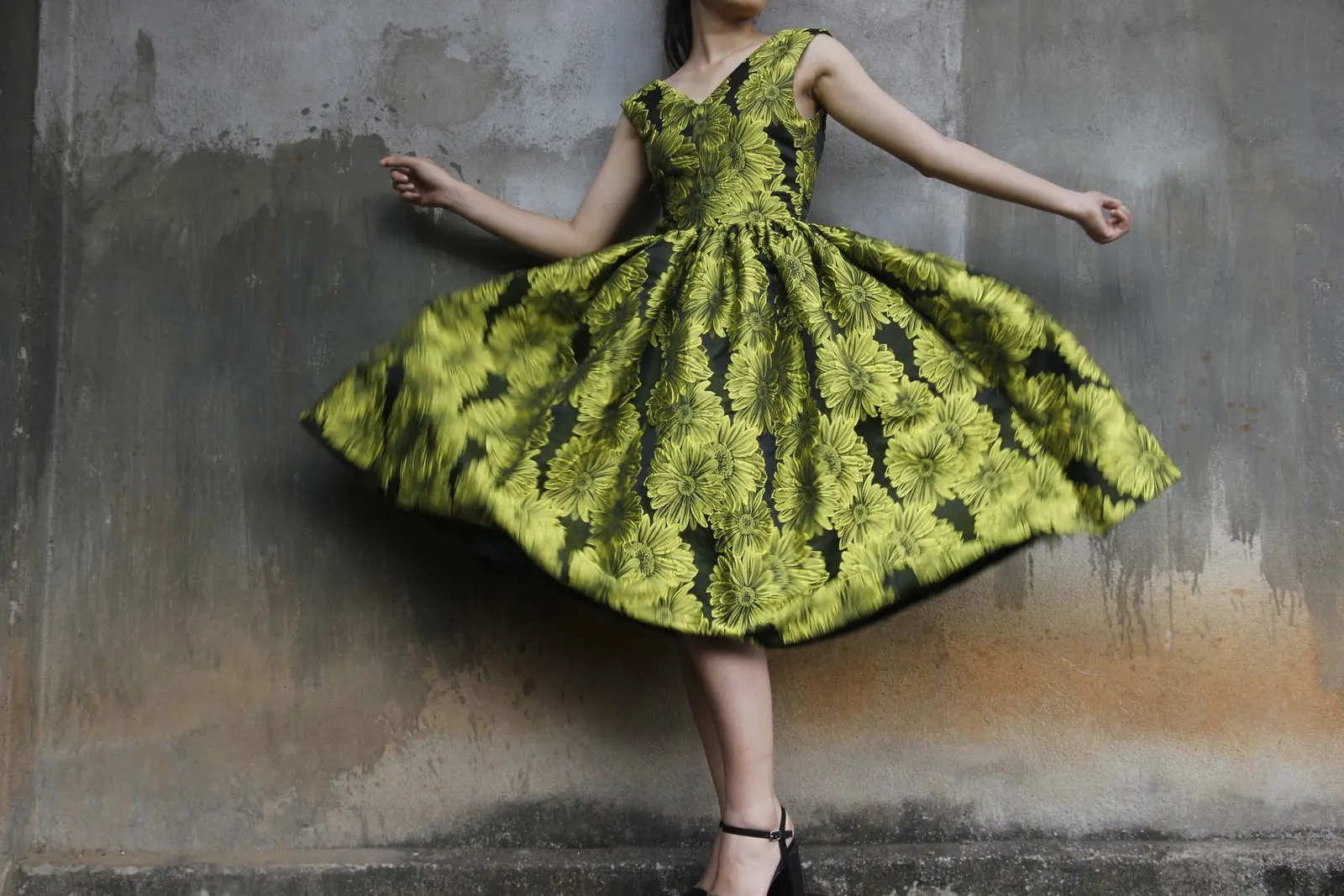
The capsule does not have to be neutral. One printed dress, a vivid skirt, a scarf or a pair of strong shoes gives the group a mood. If the base is simple, this piece can change many outfits without requiring new basics.
Choose it in a color you already enjoy wearing and in a fabric that works with the rest of the group. One strong piece is more useful than five half-loved trends.
Make size changes part of the design
Look for seam allowance, adjustable waists, wrap fronts, elastic inserts that can be hidden, and hems that can be shortened or let down. These features make a garment more useful over time and usually cost nothing extra.
A tailor can take in a side seam, move a button or shorten a sleeve. They can rarely let out a garment that has no allowance. If you expect your size to change, buying a garment with a little extra room and a clear alteration path is more practical than buying two sizes and hoping.
Wash and store the capsule so it lasts
A smaller wardrobe has to survive more wears. Wash knitwear gently, reshape it flat and avoid hanging heavy pieces by the shoulders. Air trousers between wears and give stretch fabrics time to recover before they go back on.
Store the pieces where you can see them. A capsule that is hidden in a drawer becomes a set of clothes you forget to wear. If a piece no longer works, alter it, pass it on or replace the role rather than keeping a broken system in the wardrobe.
The ten pieces are a starting point
A workable group might be: jacket, fine knit, shirt, clean tee, dark trouser, straight jean, midi skirt, layer coat, one strong dress and one pair of shoes. The number is not sacred. What matters is that the pieces speak to one another.
Try building three outfits from the group before you buy anything new. If you can dress for work, a casual day and an evening without adding a special item for each one, the capsule is doing its job.
Related reading: Wide-Leg Trousers: Length, Rise and Proportion and The Soft-Tailoring Edit: Blazers.