Showing Posts From
Tailoring and care
- Curve File Editorial Team
- 21 Aug, 2026
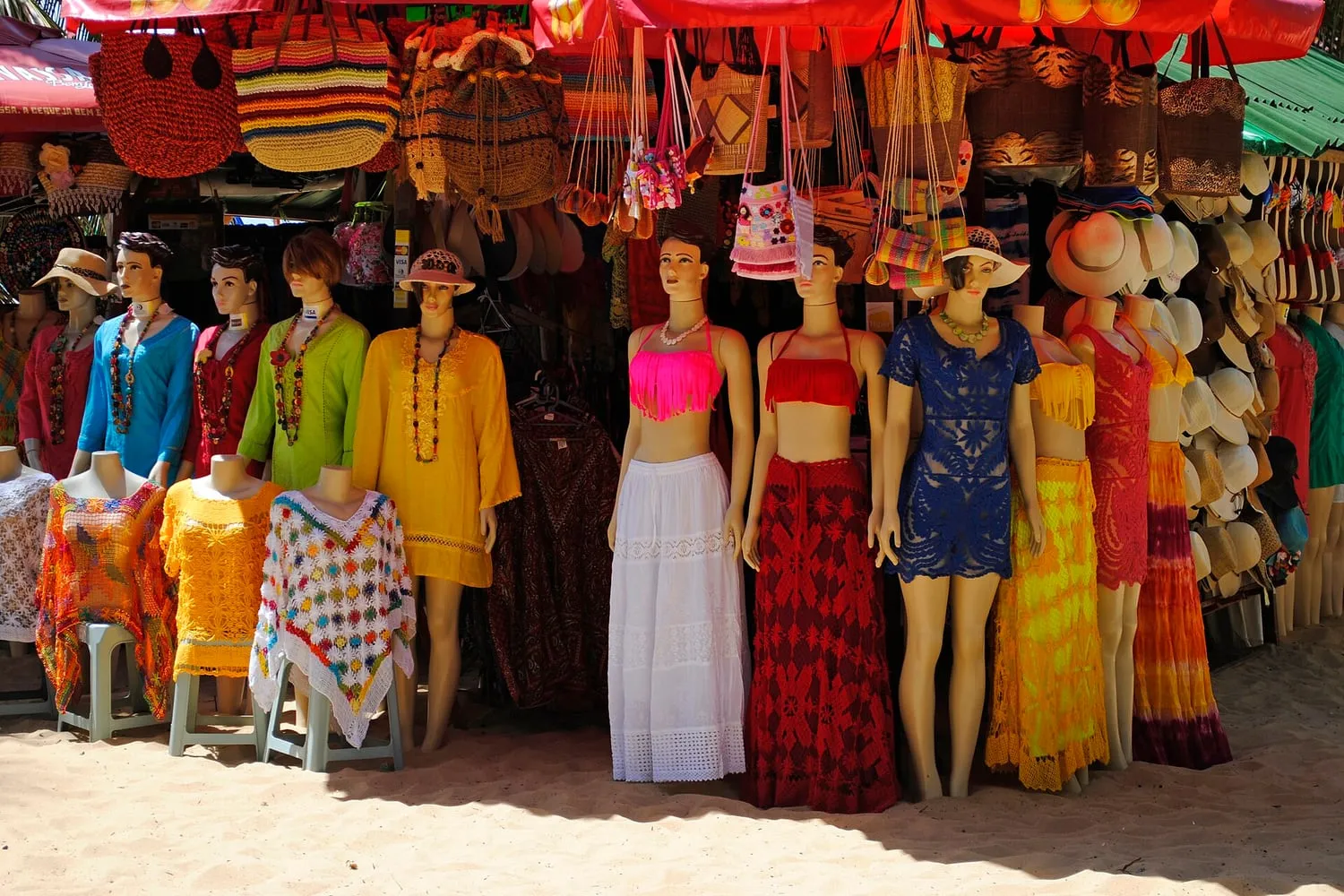
Swimwear: Fit, Lining and Care
A swimsuit is a garment built from elastic fabric, worn stretched, and then exposed to things that attack elastic. That combination explains nearly all of its behaviour: why it fits differently wet and dry, why a suit that fitted in the shop feels loose by the end of a season, and why the care routine matters more here than in almost any other kind of clothing. The structural questions are worth separating from the seasonal ones. A suit that has lost its shape because the elastane has aged is a different situation from one that never fitted properly, and the two are often confused because the visible symptom, a suit that no longer holds, looks the same. What water and sunlight do to the fabric The elastic fibre in a swimsuit, usually elastane, is what lets the fabric stretch and return. Repeated exposure to chlorine, which is present in most treated pools, degrades that fibre over time. Salt water has a lesser effect but still leaves residue that can hold grit and dirt in the weave. Heat, whether from a hot tub or a hot wash, accelerates the same process. Sunscreen is a separate problem, because the oils and the mineral particles can both affect the fabric. Oil-based products can leave marks and can affect the fibre surface, and they can stain a pale lining permanently. The effect is worse when the product is applied and the suit is put on immediately, so it is worth letting sunscreen dry before dressing. Sun itself breaks down elastic fibres over long exposure, which is one reason a suit left to dry in direct sun ages faster than one dried in the shade. Lining and the second layer Lining in swimwear is not decorative. A double layer of fabric across the front and the seat adds structure, controls opacity when the outer fabric is wet, and divides the tension of the stretch across more material. Front lining does the most work for support, because a double layer resists stretching more than a single one. A shelf layer inside the bust area is a simpler version of the same idea, and a moulded cup is a third. Which construction you want depends on how much support the suit needs to give and how the outer fabric behaves when wet. Wet fabric is heavier and less opaque than dry fabric, and it also stretches more. This is why a suit that looks fine in the shop can feel quite different after a length in the water: the outer layer relaxes and the body moves differently, so the fit changes. A suit with only a single layer at the front and no internal support will change most when wet. That is a manufacturing decision, and it is worth checking before buying rather than after. Judging the straps, the back and the gusset Three areas decide whether a suit will stay in place. Straps. A strap should sit flat on the shoulder without cutting in, and it should stay on the shoulder when you move. Adjustable straps are worth preferring, because they let you correct the length as the suit relaxes. A strap that is too thin concentrates the load; a wider strap, or a cross-back design, spreads it. The back. A suit with a racer back, where the straps meet between the shoulder blades, holds the shoulders in place without needing them to carry the load. A suit with a low back relies on the straps and the body of the fabric, and it will move more when you swim. Neither is better in the abstract; they fail differently. The gusset. This is the crotch of the suit, and it should lie flat with the leg openings neither cutting in nor standing away. A lining in the gusset is normal. If the gusset pulls to one side when you stand, the leg openings or the body length are wrong for your torso, and no adjustment will fix it. There should be enough length in the body of the suit to stand upright without the shoulder straps lifting the whole suit. If the suit rides up when you stand straight, it is short in the torso. The movements to test Try the suit on over a base layer if you prefer, and work through the same sequence you would use for any close-fitting garment.Stand and raise both arms overhead; the straps should stay on the shoulders and the gusset should not lift. Reach forward and down as if touching your toes; check whether the back of the suit pulls away from the body. Twist and bend to each side; the leg openings should stay in place. Sit down and cross your legs; the gusset and the side seams should not dig in. If it is safe to do so and you can arrange it, get the suit wet in a shower before a final decision. Wet fit is the fit that matters.Test with the sun protection you plan to wear, because the product changes the friction between skin and fabric and can affect how the suit slides. Rinsing and drying after a swim Rinse in cool fresh water as soon as you reasonably can, ideally while the suit is still wet. Rinsing removes chlorine, salt, sunscreen residue and grit before they have time to sit in the weave. A brief soak in cool water, with a very small amount of mild soap if you want to remove oils, then a thorough rinse, is enough. Do not wring the suit to remove water. Wringing twists the fabric and pulls on the elastic fibres, and repeated wringing stretches the garment permanently. Instead, press the water out between flat hands or roll the suit in a towel and press gently. Dry it flat, in the shade, away from direct heat. Do not hang a wet suit by its straps, because the weight of the water will stretch them. Do not leave it in a plastic bag or in a hot car, and do not put it in a tumble dryer; heat is the main thing that ages elastane. When the suit has genuinely gone A suit that has lost its stretch will feel soft and will not snap back when you pull a section of it. That is fibre fatigue, and it cannot be restored. A suit that still springs back but no longer fits is a different problem, and it is usually a change in the body, not a failure of the suit. Test it simply: hold a section of the fabric at the leg opening or the strap, stretch it a little and let go. A healthy suit returns quickly and firmly. One that returns slowly or not at all is finished as a swimming garment, though it may still serve as a layer under something else. If the elastic has gone but the outer fabric is sound, that is worth knowing, because the failure is uniform rather than local. A suit that has failed in one place only, such as a strap or a seam, is usually a repair rather than a replacement. Care that gets the most out of a suitRinse after every wear, without exception. Wash by hand in cool water with a mild soap; if you must use a machine, use a mesh bag and a delicate, cold cycle. Never wring, never bleach, never use fabric softener, which leaves a film that reduces the fabric's ability to shed water. Dry flat in shade, never over a radiator or in a dryer. Rotate between two suits if you swim often, so each one has time to recover between outings. Apply sunscreen before dressing, and let it dry.A suit that gets this treatment holds its shape for several seasons of regular swimming. One that does not can lose its recovery in a single summer, and the difference is nearly all in the routine rather than in the suit.
- Curve File Editorial Team
- 27 Jun, 2026
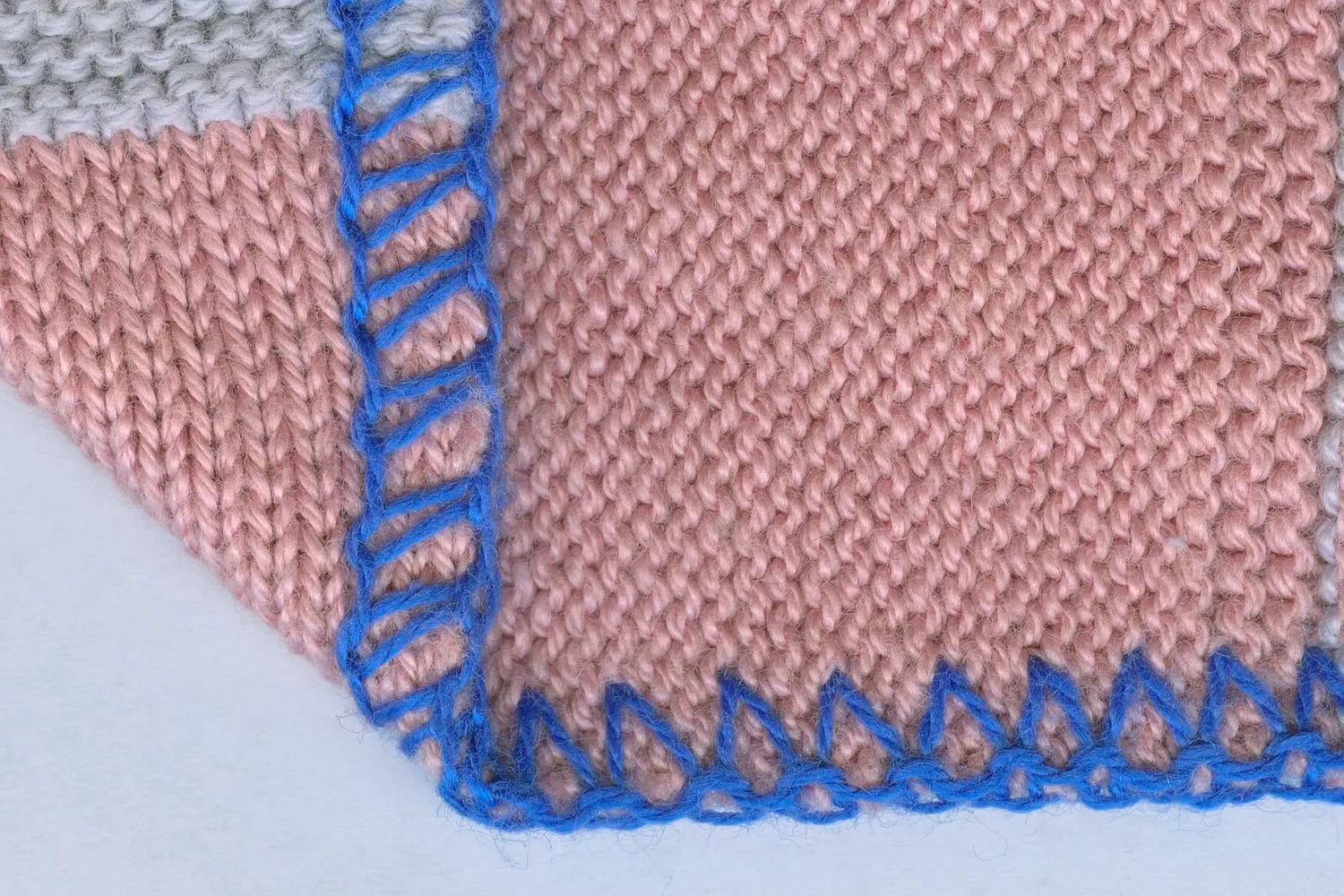
Hemming Trousers and Jeans When the Cut Is Wide
Shortening a wide-leg trouser is not the same job as shortening a straight one. When the leg is narrow, taking length off the bottom barely changes how it hangs. When the leg is wide, the hem is often the widest part of the leg opening, and cutting it away changes the silhouette, the balance and the way the fabric moves as you walk. Add the rise and the leg width that plus-size patterns commonly use, and the hem becomes a decision rather than an afterthought. The good news is that it is a decision you can make properly, in a fixed order, before any fabric is cut. Length is a relationship with your shoes Trouser length is not an absolute measurement. It is a relationship between the hem and the shoe, and it only exists once a shoe is on the foot. Put the shoes on before you pin anything, and choose the pair you will wear most often with that trouser. A wide leg that skims the floor in flat shoes will pool in heels, and a hem set for heels may trail in flats and fray. If you genuinely intend to wear two very different heel heights, then one pair of trousers cannot serve both without a compromise. As a working definition: a hem that just touches the top of the shoe, breaking slightly, is the most forgiving. A hem that clears the ground by a small margin is cleaner but less tolerant of a change of shoe. A hem that pools sits on the floor and gathers dust. The hem is usually not level Most tailored trousers, and many plus-size patterns, are cut with the hem edge slanted so that when the trouser is worn, the hem sits parallel to the floor. The back of the leg has to travel further over the seat and the calf, so if the hem were cut level in the flat pattern, the back hem would hang lower than the front once worn. This means you cannot measure a hem accurately with the trousers laid flat. The correct test is on the body, with the trousers on and the shoes on, checking the hem all the way round. A helpful trick is to stand on a hard floor and have someone mark the intended hem with pins while you stand still. If you are marking for yourself, use a mirror and check from the side as well as the front. If the hem measures level on the hanger but sits unevenly on the body, the problem is the slant, not the length. Why a wide leg behaves differently Two measurements govern how a wide leg falls. The first is the leg opening: the circumference of the hem. The second is the point where the leg is widest, which on a wide cut is often at or near the hem. Shortening the leg removes the part that flares, so the new opening at the cut line is narrower than the finished hem was. This is the effect most people are surprised by. Take a wide leg in and shorten it, and you can end up with something closer to a straight leg, or with a taper that fights the drape of the fabric. Whether that is acceptable depends on how the pattern was drawn. A well-drafted wide leg usually keeps the leg width nearly constant from the knee down, in which case the effect is small. A leg that flares towards the hem loses the flare. The second factor is the drop, the distance between the crotch seam and the waist, and the width of the thigh. A deep drop and a full thigh push fabric outward, and that outward push travels down the leg. It is one reason a wide leg that looks correct on a hanger can look quite different on a body. No hem can fix this; it can only be accounted for when choosing the cut. Three ways to finish a hem The finish is a functional choice, not only a visual one, and each one behaves differently on a wide leg.Original hem, kept. The existing hem is removed with some fabric above it, then reattached. This preserves the factory stitching, the fading at the edge of a denim hem, and the original shape of the opening. It only works if the amount being removed is not so large that the removed section would sit above the knee, and it is best on narrow-to-moderate hems. Blind hem, turned and stitched by machine. The raw edge is neatened, the hem allowance is turned up and secured with a stitch that is nearly invisible from the outside. On a wide leg this is often the cleanest result, because it distributes the hem weight evenly and does not draw the eye. Topstitched hem. The hem is turned and finished with a visible line of stitching, often in a contrast thread on denim. It is the most robust and the easiest to shorten again later, but the visible line changes the proportion of the leg and can read as heavy on a very wide cut.Whichever is chosen, the weight of a wide hem matters. A deep hem allowance on a heavy fabric holds the bottom of the leg straight and gives the drape its shape. Trimming the allowance away to save bulk can make a wide leg hang flatter and look thinner, which is usually the opposite of what was wanted. Measuring for a tailor If the work is going to someone else, the measurements you give decide the result more than the skill of the sewing. Prepare the following.The shoe you will wear with the trouser, so the length can be set with it on the foot. The finished length you want, measured on the body from the waistband to the intended hem, along the side seam. The finished length along the inside of the leg, from the crotch seam to the hem, which is the measurement a machinist may prefer to work from. The desired hem opening, in circumference, if you want to keep or alter the leg width. Whether a slanted hem exists and how much it should be, described in your own words rather than as a number. A note on whether you want the original hem preserved.A brief written down is worth more than a verbal one, because the person doing the work cannot see the body and the shoe in front of them. When to leave the hem alone Hemming is not always the right answer. A few situations are best left as they are.The trouser is only slightly long and pools by a small amount, which often disappears when the shoe is on. The cut is a deliberate flare or a curved hem, where shortening would remove the shape that makes it work. The fabric is a delicate knit with a finished edge that would be impossible to reproduce, and the existing hem is part of the design. Removing the length would take the leg above the knee, or move a detail such as a slit or a vent, which is a redesign rather than a hem.Where the trouser is right in every other respect and only the length is wrong, hemming is one of the most economical alterations available, because it touches nothing that carries the garment's balance. Where the length is wrong because the rise is wrong, no amount of hemming will help.
- Curve File Editorial Team
- 09 Jun, 2026
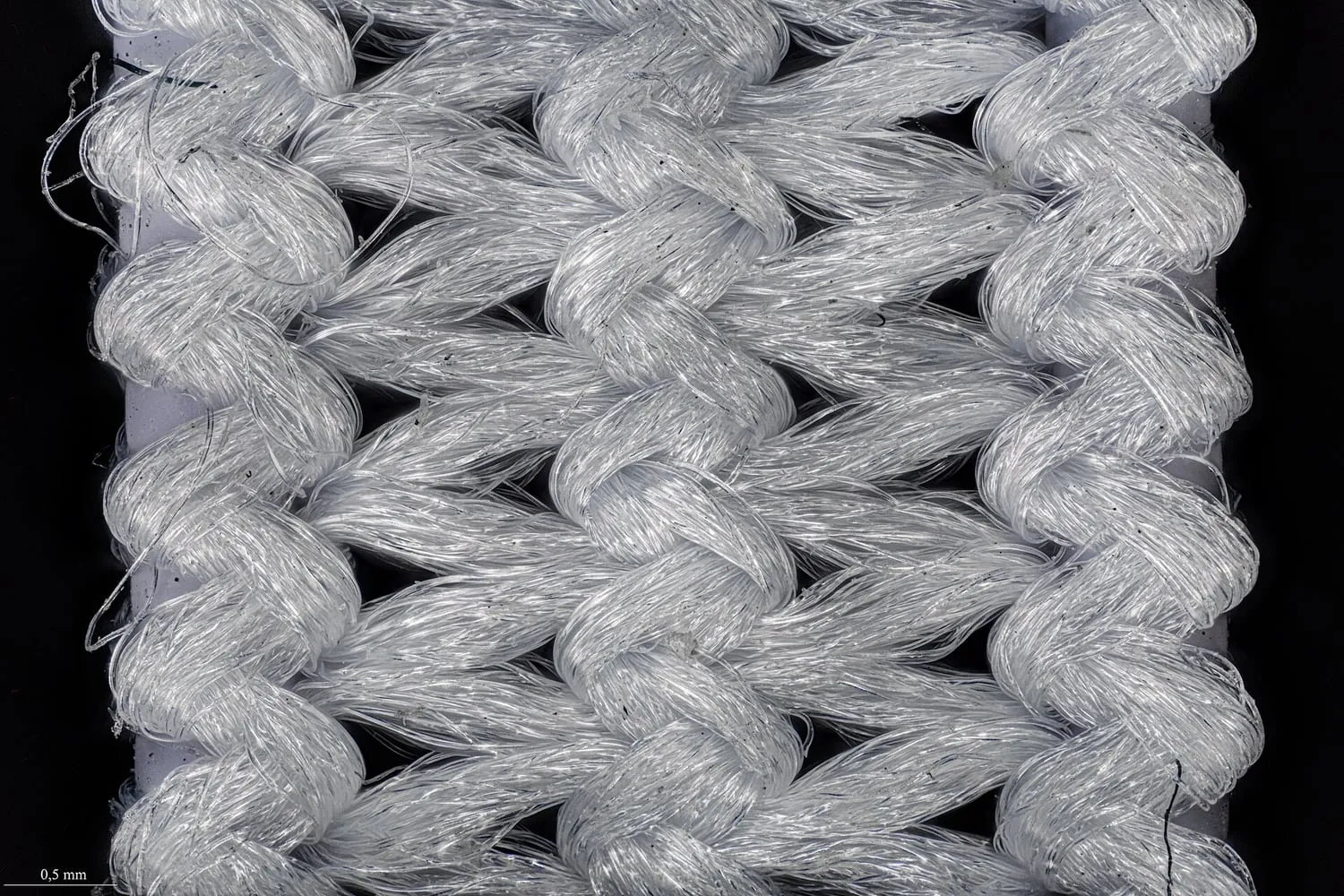
Elastic Waistbands, and Where They Fail
An elastic waistband is a spring held inside a tube of fabric. It stretches under load, then returns to its resting length, and the whole of its behaviour follows from how well that return works and how the fabric around it is built. When a waistband rolls, folds, digs in or sags, the cause is almost always one of three things: the elastic itself, the channel it sits in, or the way the two are joined. That is useful to know because these are the failures you can see before buying and, sometimes, fix afterwards. A waistband is also one of the few parts of a garment that a home sewer or a tailor can replace completely, which makes it worth understanding rather than accepting. What the elastic is doing Elastic works by having a short resting length and a long stretched length. In a waistband it is fitted shorter than the finished opening, so the fabric is gathered and the waistband holds itself up by squeezing gently. The force it applies comes from two sources: how far it is stretched, and how stiff the material is for its width. A narrow length of very stiff elastic can pull as hard as a wide length of soft elastic, which is why the width alone tells you less than you might expect. Two properties decide how long the band survives. The first is stretch, how far it will extend before it stops returning. The second is recovery, how completely it comes back. Recovery is the one that matters in a waistband, because a band that has lost its recovery has lost the only thing it was there to do. Heat, repeated over-stretching and the chlorine in a swimming pool all reduce recovery. So does time: elastane, the fibre sold under several trade names, ages even in a drawer. Woven, knitted and clear elastic The types behave differently enough that the difference shows in the fit. Woven elastic is the firmest and the most stable. It is dense and unyielding, holds a flat shape well, and is the usual choice for a waistband that needs to stay put. It is also the least soft against the body. Knitted or braided elastic is softer and more flexible, and it curls more easily along its length. It is comfortable in light garments but recovers less firmly, so it tends to be the one that gives up first. Clear elastic is a thin, transparent tape, often used to stabilise a seam rather than to hold a waist. It is strong for its thickness and has little bulk, but it is prone to losing recovery and to being damaged by heat from an iron. Corded elastic has lengthwise threads that stop it stretching in one direction, which suits a casing where you want stretch around the body but not along the band. A folded-over elastic waistband, where the elastic is stitched directly to the fabric and turned, behaves differently again: it has no separate channel, so the elastic is fixed and cannot be replaced without unpicking the whole waist. Why a waistband rolls, folds or digs Rolling is a geometry problem. A narrow band under high tension tends to rotate so that its edge turns towards the body, because the fabric above and below pulls in opposite directions. A wider band, or an elastic with woven threads across its width, resists that rotation. This is why very narrow elastic waistbands on heavy skirts so often end up folded in half. Folding is often a casing problem. If the channel is much wider than the elastic, the elastic has room to twist inside it, and a twist becomes a fold. If the channel is much narrower, the elastic is compressed and cannot distribute tension evenly, so it bites in one place. Digging is a pressure problem. The same total force spread over a wide band is comfortable; over a narrow band it becomes a line. Adding a channel that distributes the load, or moving to a wider elastic, changes the sensation more than changing the tightness of the band does. Sagging is recovery loss. The elastic has aged, or the fabric around has stretched permanently, or both. A band that was fitted too tightly in the first place usually sags sooner, because it spent its whole life near its stretch limit. A channel you can rethread A waistband where the elastic sits in a casing and can be pulled out and replaced is worth choosing over one where it is stitched flat to the fabric. The difference is simple: one can be renewed, the other has to be rebuilt. You can often tell without opening the garment. A casing usually has a small stitched opening in a side seam or back seam, and the band feels loose inside the channel when you pinch it. A fixed elastic waistband feels as if fabric and elastic are one layer, and often shows a row of stitching through the middle. Drawstrings and what they carry A drawstring is a second fastening, not a substitute for elastic. Its job is to let you adjust the opening by hand, which is useful when the same garment is worn by different people, or when the fit changes. The load question is what the cord passes through. A cord in a channel with its own eyelets will take tension well. A cord merely threaded through a channel and knotted will work until the channel is stretched. And a cord that is decorative, sewn in place and unable to move, is not a fastening at all. Drawstrings attached to elastic should never be the only thing holding the garment up, because a cord tied tightly over an elastic waist just concentrates pressure in one spot. Repairing a band that has gone Replacing the elastic in a casing is one of the most straightforward alterations there is. Open the channel, pull the old elastic out, thread new elastic cut to the right length, overlap and stitch the ends firmly, then close the channel. Nothing structural is touched, and the garment loses no length. A fixed elastic waistband is a different proposition. Replacing it means separating the band from the garment, adding a new channel if the design allows, and reattaching. That is worth doing on a garment that is otherwise sound, and rarely worth doing on a cheap garment, because the fabric may be near the end of its life anyway. A band that has sagged because the fabric above it stretched is usually beyond saving. The fix would be to take in the seam, which changes the garment's shape rather than restoring it. Before you buySqueeze the band and feel whether the elastic moves freely inside its channel; that means it can be replaced. Look for a wide band rather than a narrow one, especially on anything heavy. Check the stitching line through the band; if it runs all the way through, the elastic is probably fixed. Note whether the garment is meant to be washed hot or worn in chlorinated water, both of which shorten the life of the elastic. Feel how much force the band applies when stretched; a band that fights back hard will be the first to give up.Choosing the construction deliberately, rather than accepting whatever the waistband happens to be, gives you a garment that can be kept rather than retired.
- Curve File Editorial Team
- 20 Apr, 2026
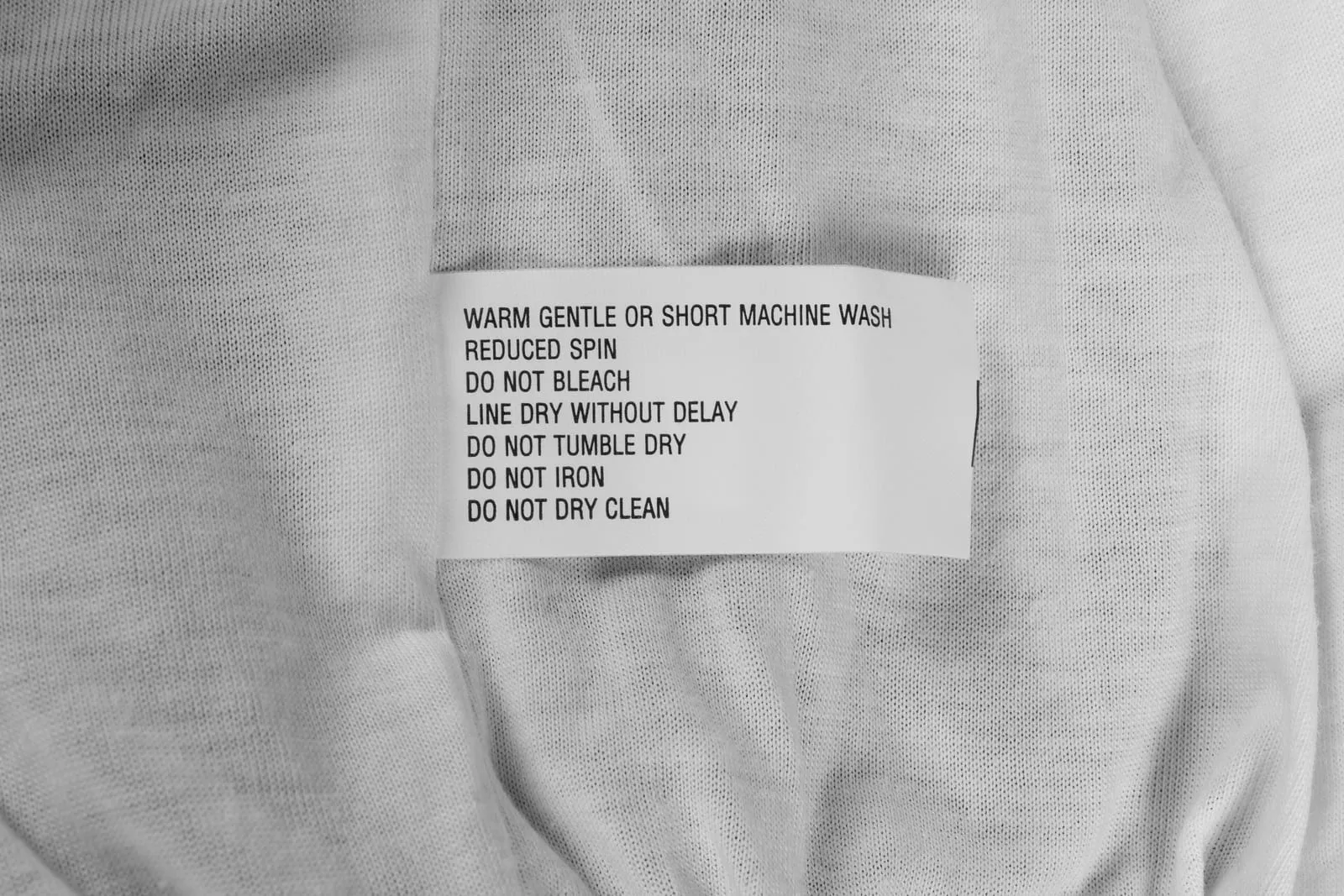
Making Clothes Last: Washing, Drying and Storing Plus-Size Garments
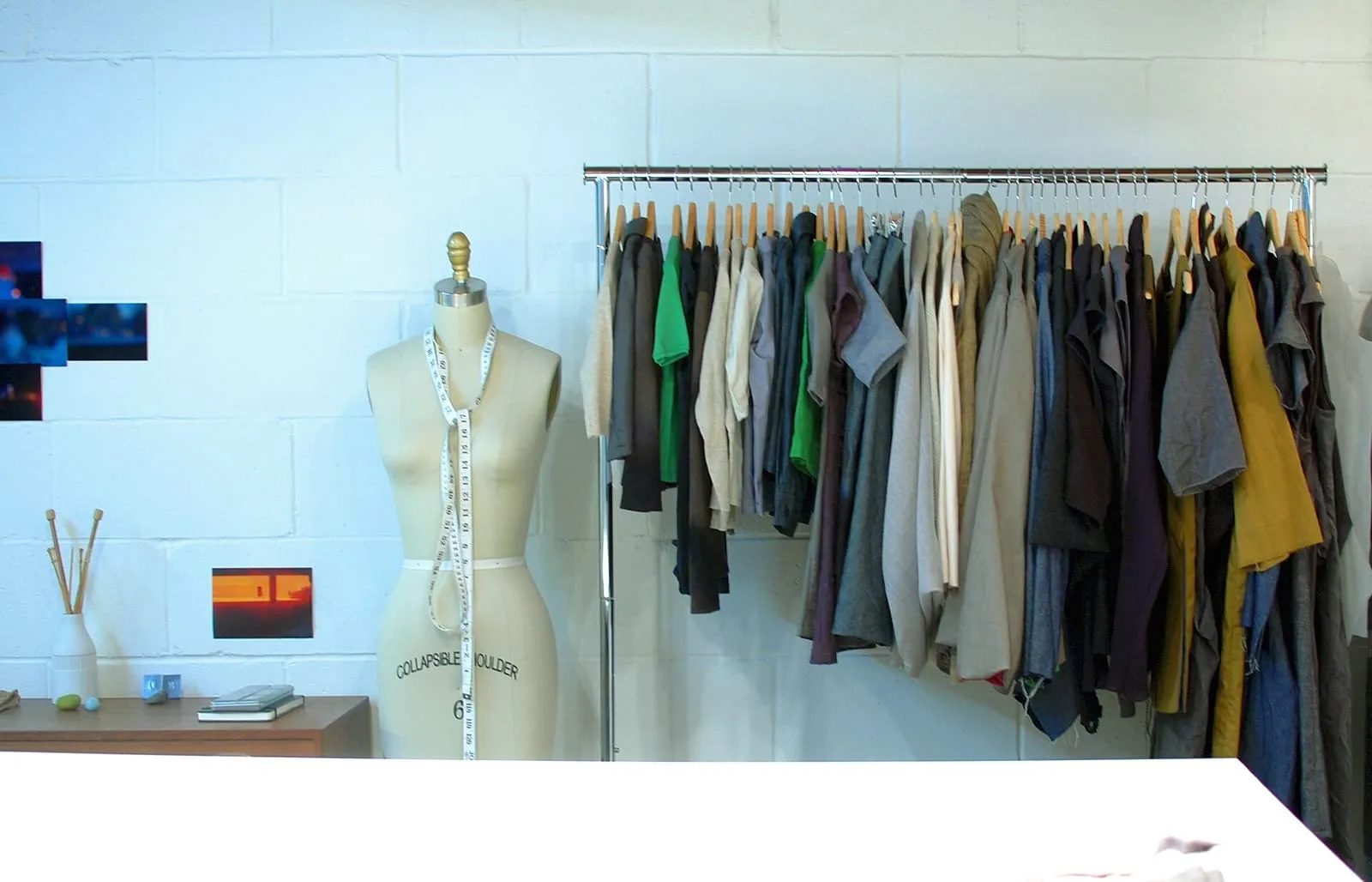
Fit is not fixed at the moment of purchase. A garment that fits well is relying on the fabric's structure, its stretch and its recovery, and all three are slowly dismantled by heat, weight and careless storage. On a larger garment there is more fabric under more tension at the seat, the elbow and the knee, so the same treatment costs more. Heat is the main enemy Most of what ruins clothes in a domestic laundry is temperature. Heat shrinks wool, degrades elastane, sets creases into synthetic knits, fades dye and dulls dark colours. Read the care label and treat its temperature as a ceiling rather than a target. A cooler wash with a slightly longer cycle cleans most everyday garments just as well, and it is much gentler on anything with stretch in it. Three habits follow from that:Turn garments inside out before washing. Most of the abrasion happens on the outside, where you sit and lean. Inside out protects the surface and lets the detergent reach the skin side. Wash similar weights together. A heavy pair of trousers tumbling against a thin knit abrades it. Sorting by fabric weight matters more than sorting by colour, though you should do both. Don't overload the drum. A crammed machine means less agitation, more creasing and more strain on seams when the load is spun.Skip fabric softener on anything with elastane or a technical finish. It leaves a film on the fibre, which is the opposite of what a knit that needs to recover its shape requires. A half-cup of white vinegar in the rinse does the softening job without the coating. Washing by fabric Knits and jersey. Cool wash, gentle cycle, mesh bag if the knit is fine or the garment is heavy. Skip the dryer entirely. Wool and tailoring. Cold or wool cycle with a detergent made for wool, minimal agitation, and no wringing. Wool felts when it is heated and agitated, and a jacket that goes through a normal cycle will not return to its shape. Denim. In cold water, inside out, and less often than you think. Denim loses indigo and shape with every wash. Spot-clean between washes and hang it to air. Viscose and rayon. These weaken when wet, so handle a soaked viscose garment gently and never hang it dripping. Lay it flat or dry it on a rack with support. Lined and structured garments. If there is interfacing or canvas inside, dry cleaning is usually the safer route, and the label will say so. Home washing a structured jacket can delaminate the interfacing, which is what gives the shoulder its line. Drying without stretching it out Weight is the second enemy, and it acts through water. A wet knit dress is heavy enough to pull its own shoulders out of shape.Dry knitwear flat, reshaped to its original dimensions, on a towel or a mesh rack. Never on a hanger. Dry heavy garments flat or over a rack, not hanging by the shoulders. Hang trousers by the waistband or dry them flat; hanging them by the hem puts all the weight into the waistband and the crotch. Use low heat if you must tumble, and take anything with elastane out while it is still slightly damp. High heat is what makes a waistband go slack and a knit lose its snap. Tumble only what is designed for it. Heavy cotton and towels survive it; almost nothing else improves.If a garment does shrink, check the length before deciding it is ruined. A hem can be let down, and a slightly shorter dress is often still wearable — but a shrunken knit that has lost its recovery is done. Storing so that fit survives Storage damage is slow and easy to avoid.Fold knits, never hang them. A knit on a hanger stretches at the shoulder within weeks, and that stretch does not come back. Hang wovens and tailoring on wide, shaped hangers that support the shoulder line. Thin wire hangers concentrate the weight on one point of a shoulder seam. Store only clean clothes. Small amounts of body oil and deodorant become stains over months, and food or sweat attracts moths. Wool, in particular, should never go away dirty. Give garments room. Compressing clothes in an overstuffed drawer creases interfaced and coated fabrics permanently, and it crushes the loft out of a knit. Keep light off stored clothes, especially dark colours, and keep the space dry. Damp encourages mildew in natural fibres, which is very hard to remove.Between washes and repairs You do not need to wash as often as you do. Air a garment overnight, brush wool with a soft brush to lift the nap, and steam it rather than pressing it: steam relaxes wrinkles and helps a knit return to shape without flattening the surface. Learn to spot the three repairs that keep garments wearable:A popped seam at a strain point. Usually the seat, the underarm or the crotch. Stitch it with a slight zigzag rather than a straight line, so the repair can move with the fabric. Do it early, before the fabric around the seam thins. Pilling. A fabric shaver removes the pills, but the pilling tells you something: the fibre is abrading where it rubs, usually under the arms or between the thighs. Keep it shaved so the surface does not catch on itself further. A dropped hem. On a heavier garment, a hem comes down at the back or the side because of the body underneath it. A tailor can rehang it, and it is a cheap fix compared with replacing the garment.Care is a fit issue The reason to bother is not thrift for its own sake. A garment whose fabric has lost its recovery no longer fits: it hangs at the seat, gaps at the elbow and rides up at the hem. Looking after the fabric is how you keep the fit you paid for, and it is the only part of the fit that you control after the tags come off.
- Curve File Editorial Team
- 23 Mar, 2026
What a Tailor Can and Cannot Change in a Plus-Size Garment
Once you have accepted that ready-to-wear patterns are drafted for a body that is not necessarily yours, alterations stop looking like defeat and start looking like the final step of a purchase. The important thing is knowing which changes are routine and which are a rebuild, because the difference decides whether a garment is worth buying in the first place. The rule behind everything An alteration moves a seam or a fold. It does not add fabric where there is none, and it cannot change the shape the pattern was graded for. Two consequences follow. First, taking in is easy and letting out is often impossible: ready-to-wear seams usually have very little allowance, so a garment that is too small is finished. Second, anything involving the balance of a garment — the shoulder, the armscye, the bust point, the crotch curve — is not a simple adjustment, because moving it means re-cutting the parts around it. Easy, routine alterations These are the ones worth planning for when you buy.Hems. Trousers, skirts, sleeves and dresses can all be shortened. On a hem, a tailor can also rehang a garment that sits unevenly because of the body underneath it, which is a common issue on a curved figure and a real improvement in how the garment looks. Waistbands. Taking in the waist on a dress or a skirt, or adding a dart at the back waistband of a trouser, is routine. A waistband that gaps at the back while the hip fits is a classic sign of a grading mismatch, and this is the cheapest fix in the list. Straps and shoulder seams on a dress. Shortening a strap or lifting a shoulder seam slightly tends to fix necklines that sit too low, and it is straightforward when the garment is unlined. Buttons and closures. Moving a button, adding a hidden hook, or replacing a zip with a longer one to gain a little room is quick. Tapering and lengthening. Narrowing a wide trouser leg or taking in a sleeve that is too loose along its length is a matter of reshaping one seam. Shortening sleeves. Usually simple, but check the cuff: on a garment with a deep cuff or a placket, there may be no way to shorten it without losing the detail. Adding a lining or a facing. Where a fabric is thin, a tailor can sometimes add a half-slip of lining, which changes how the garment reads without altering the fit.Possible, but plan for it These take more work and are worth doing on a garment that is otherwise good.Moving a bust dart. Position can be adjusted within limits. Adding a dart where the pattern has none usually means a visible reconstruction, and it is not the right choice for a thin fabric. Taking in a dress through the side seams. Effective for a garment that fits at the bust and the hip but floats at the waist, but check first that the armhole is not affected; taking in a side seam high enough can tighten or distort the armhole. Adjusting a rise. A trouser rise can be lowered a little by taking in the waistband and reshaping the front, but it cannot be raised meaningfully. Raising a rise means adding fabric and moving the crotch curve. Tapering a crotch curve or adjusting the seat. Possible on a simple woven trouser with a generous seam allowance, but it is a fitter's job rather than a hemmer's, and it needs to be fitted on you. Taking in the back of a lined jacket. Best left to a tailor who works with tailoring, because the lining has to be re-hung afterwards.Genuinely difficult, or not worth itNarrowing or widening the shoulders. Changing shoulder width means re-cutting the sleeve head, and the sleeve will usually not fit the new armhole without being remade. This is the alteration most likely to look wrong afterwards. Raising an armhole. Too low an armscye is one of the most common grading problems in plus-size garments, and fixing it means rebuilding the bodice. Letting a garment out. Check the seam allowances before you hope for this. In most ready-to-wear there is barely a centimetre, and on a knit there may be none. Making a garment substantially larger. A tailor can add a panel or a gusset, but the result reads as a repair rather than a garment. Changing the bust point on a structured or lined garment. Possible in principle, expensive in practice. Bias-cut anything. Bias panels must be allowed to hang before the hem is finished, and the fabric moves when you work it. Expect to pay for patience.How to work with a tailor A few habits make the difference between an alteration that works and one you have to redo. Wear the garment first, with the shoes. Mark the length in the shoes you intend to wear, and mark sleeves with your arms in a natural position rather than held out. Bring your measurements, and a garment that fits you well. Comparing the two is the fastest way for a tailor to see where the problem is. Say what you want to be able to do. Raising your arms, sitting comfortably, or carrying a bag on one shoulder all change what a good fit means. A tailor cannot see your daily life. Ask what they would do, and what they would not. A good tailor will tell you when an alteration is not worth the money, and that answer is worth more than a cheap quote. Judging the cost An alteration is worth it when it is a small proportion of what the garment cost, and when the garment is otherwise well made — a decent fabric, seams that can be moved, and a colour you will keep wearing. It is not worth it when the garment is a thin knit that will not hold a new seam, or when the change is so structural that the alteration costs more than a replacement. The practical corollary: buy for the hip or the bust, keep the receipt data, and budget for the waist. Trousers that fit your seat and need a waistband taken in are a much better purchase than trousers that fit your waist and strain across the seat.
- Curve File Editorial Team
- 09 Mar, 2026
Fabric and Structure: What Holds a Shape and What Collapses
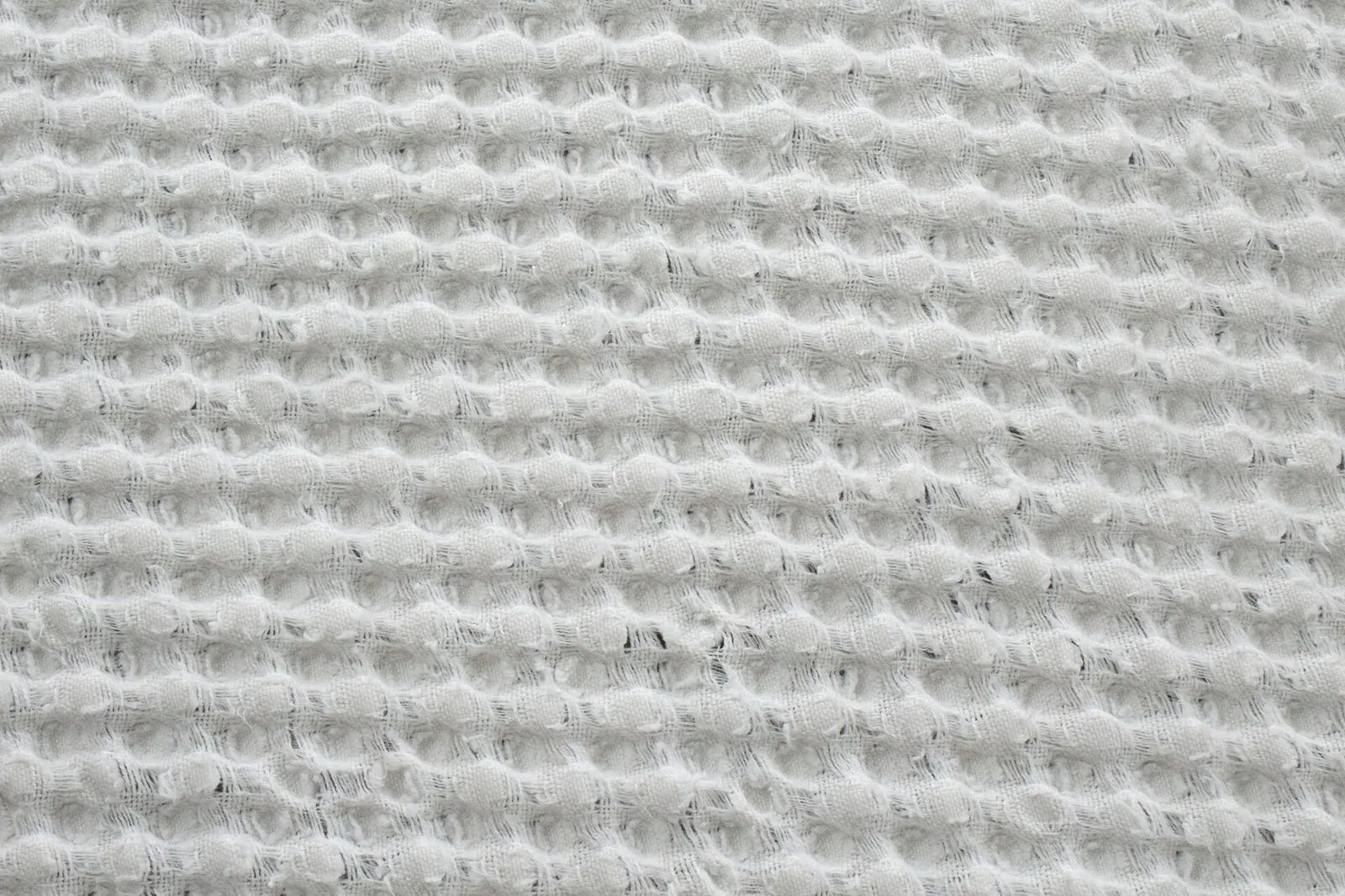
Two garments can have the same shape on the hanger and behave completely differently on a body, because fabric is not a neutral surface. It has weight, memory and direction. Above a certain size, those properties matter as much as the pattern, and unlike the pattern they are something you can assess in a minute. The three things fabric does It hangs. Every fabric falls under its own weight. A light knit follows the body and shows every line underneath it; a heavier knit or a woven falls in straighter folds and skims. This is the single biggest difference between a cheap-looking knit dress and an expensive-looking one, and it has nothing to do with the price on the tag. It stretches, and then it recovers — or it does not. A knit with good recovery returns to shape after being pulled, which is why it can fit closely without constricting. A knit with poor recovery hangs looser by the end of the day, bagging at the elbow, the knee and the seat. Elastane is what usually provides recovery; the higher the percentage, the more the garment depends on it. It holds a structure — or the structure is built in elsewhere. A woven garment with no stretch cannot adapt to you, so its shape has to come from the pattern, the seams and, in tailored clothing, from interfacing and canvas inside the layers. Weight is the number to look for Where a brand publishes fabric weight in grams per square metre, use it. Weight is the clearest predictor of how a knit will behave.Very light knits cling, show underwear lines and outline the shape of the body underneath. In pale colours they are close to transparent, and no amount of styling fixes that. Mid-weight knits are the workhorse: enough body to skim rather than cling, enough stretch to fit closely without straining. Heavy knits and structured wovens hold their own shape and can carry design details — a defined shoulder, a wide waistband, a deep pleat — without collapsing.Where weight is not published, judge it by feel in a shop or by the description of what the fabric is used for. Ponte, heavy jersey, scuba and double-knit fabrics exist precisely because a single layer of jersey is not enough for a garment with structure. Read the fibre, then read between the lines Fibre content is published more often than weight, and it is a decent proxy. Cotton is breathable, holds a crease, and can be pressed — useful if you want a sharp line. It has no natural stretch, so a cotton garment with no elastane must fit you properly rather than adapt. Linen and viscose drape well and crease easily. Viscose in particular can shrink or distort if washed carelessly, and it often looks expensive in a shop and tired after three washes. Wool holds shape, resists creasing and can be steamed back into line, which is why tailoring depends on it. Polyester blends are not automatically bad. A tight polyester weave can be durable and hold colour; a loose shiny one will pill, cling and hold odour. Elastane above all is the one to notice. A garment with a high proportion is relying on the stretch instead of on fit, and it will relax as the day goes on. Where structure actually lives Structure is not the same as stiffness. It is the collection of decisions that make a garment hold a shape:Seams that follow the body. Princess seams, waist seams and darts give a garment a place to fit around rather than a single circumference to stretch across. A flat-fronted garment with no seams has to work by stretch alone. Facings, interfacing and lining. A jacket that holds its shoulder has something inside it doing that work. An unlined jacket in a thin fabric will not. A waistband with depth. A wide, interfaced band supports a trouser waist instead of rolling and digging. A hem with weight. Light, narrow hems ride up. Deeper hems fall better and can be let down later. Grain and cut. A bias-cut panel drapes; a straight-cut one hangs. Where a pattern uses bias, it is usually to let the fabric move around a curve rather than fight it.What "flattering" means in practice The word is overused, and it usually implies a body that needs disguising. Put in construction terms, it means something narrower and more useful: the fabric does not catch on the body, the seams land where they were drafted to land, and the garment keeps its shape for a whole day. That gives you three practical tests, all of which you can do before owning the garment:The light test. Hold the fabric up to a window or a phone torch. If you can see your hand clearly through one layer, plan for a second layer or a darker colour. The fist test. Crush a handful of the fabric, hold it for a few seconds, then release. Does it spring back, or does it stay crumpled? Fabrics that stay crumpled will crease at every seat and elbow. The drape test. Hold the fabric up by one corner and watch it fall. If it falls in tight folds that follow your hand, it will follow your body the same way. If it falls in broad, straight lines, it will skim.A note on care, because it changes fit Fabric behaviour does not end at the checkout. A knit washed hot and dried in a machine loses recovery and grows; a wool jacket washed at home loses its shape and its shoulder. Anything that fits well enough to be worth keeping deserves a care check before its first wash, and a knit that is stored on a hanger rather than folded will stretch at the shoulder within a season. Judging fabric well will not make an ill-graded garment fit. It will stop you buying the ones that were never going to hold up, and it will help you spot the ones that will still look like clothes in two years.