Elastic Waistbands, and Where They Fail
- Curve File Editorial Team
- 09 Jun, 2026
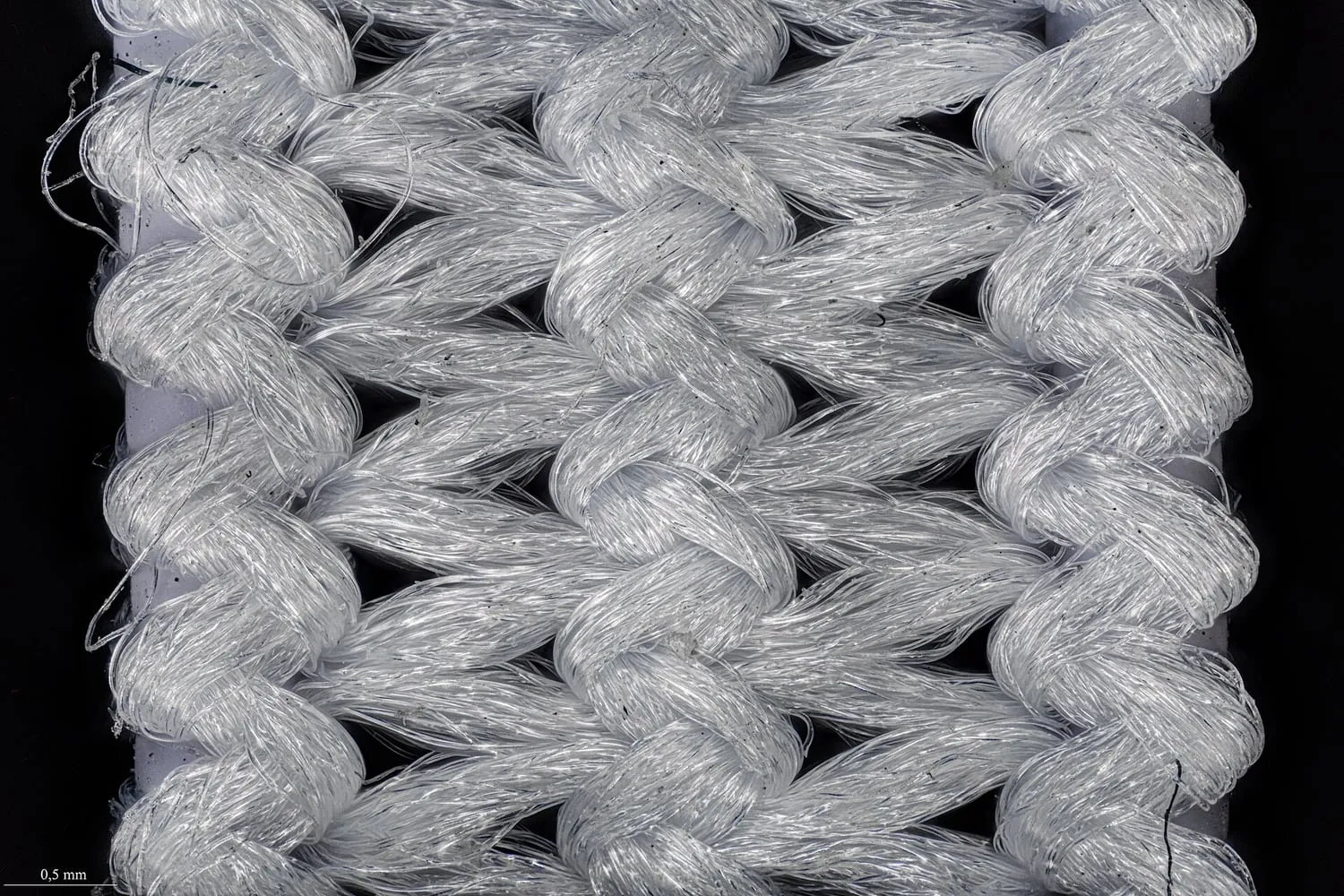
An elastic waistband is a spring held inside a tube of fabric. It stretches under load, then returns to its resting length, and the whole of its behaviour follows from how well that return works and how the fabric around it is built. When a waistband rolls, folds, digs in or sags, the cause is almost always one of three things: the elastic itself, the channel it sits in, or the way the two are joined.
That is useful to know because these are the failures you can see before buying and, sometimes, fix afterwards. A waistband is also one of the few parts of a garment that a home sewer or a tailor can replace completely, which makes it worth understanding rather than accepting.
What the elastic is doing
Elastic works by having a short resting length and a long stretched length. In a waistband it is fitted shorter than the finished opening, so the fabric is gathered and the waistband holds itself up by squeezing gently. The force it applies comes from two sources: how far it is stretched, and how stiff the material is for its width. A narrow length of very stiff elastic can pull as hard as a wide length of soft elastic, which is why the width alone tells you less than you might expect.
Two properties decide how long the band survives. The first is stretch, how far it will extend before it stops returning. The second is recovery, how completely it comes back. Recovery is the one that matters in a waistband, because a band that has lost its recovery has lost the only thing it was there to do.
Heat, repeated over-stretching and the chlorine in a swimming pool all reduce recovery. So does time: elastane, the fibre sold under several trade names, ages even in a drawer.
Woven, knitted and clear elastic
The types behave differently enough that the difference shows in the fit.
Woven elastic is the firmest and the most stable. It is dense and unyielding, holds a flat shape well, and is the usual choice for a waistband that needs to stay put. It is also the least soft against the body.
Knitted or braided elastic is softer and more flexible, and it curls more easily along its length. It is comfortable in light garments but recovers less firmly, so it tends to be the one that gives up first.
Clear elastic is a thin, transparent tape, often used to stabilise a seam rather than to hold a waist. It is strong for its thickness and has little bulk, but it is prone to losing recovery and to being damaged by heat from an iron.
Corded elastic has lengthwise threads that stop it stretching in one direction, which suits a casing where you want stretch around the body but not along the band.
A folded-over elastic waistband, where the elastic is stitched directly to the fabric and turned, behaves differently again: it has no separate channel, so the elastic is fixed and cannot be replaced without unpicking the whole waist.
Why a waistband rolls, folds or digs
Rolling is a geometry problem. A narrow band under high tension tends to rotate so that its edge turns towards the body, because the fabric above and below pulls in opposite directions. A wider band, or an elastic with woven threads across its width, resists that rotation. This is why very narrow elastic waistbands on heavy skirts so often end up folded in half.
Folding is often a casing problem. If the channel is much wider than the elastic, the elastic has room to twist inside it, and a twist becomes a fold. If the channel is much narrower, the elastic is compressed and cannot distribute tension evenly, so it bites in one place.
Digging is a pressure problem. The same total force spread over a wide band is comfortable; over a narrow band it becomes a line. Adding a channel that distributes the load, or moving to a wider elastic, changes the sensation more than changing the tightness of the band does.
Sagging is recovery loss. The elastic has aged, or the fabric around has stretched permanently, or both. A band that was fitted too tightly in the first place usually sags sooner, because it spent its whole life near its stretch limit.
A channel you can rethread
A waistband where the elastic sits in a casing and can be pulled out and replaced is worth choosing over one where it is stitched flat to the fabric. The difference is simple: one can be renewed, the other has to be rebuilt.
You can often tell without opening the garment. A casing usually has a small stitched opening in a side seam or back seam, and the band feels loose inside the channel when you pinch it. A fixed elastic waistband feels as if fabric and elastic are one layer, and often shows a row of stitching through the middle.
Drawstrings and what they carry
A drawstring is a second fastening, not a substitute for elastic. Its job is to let you adjust the opening by hand, which is useful when the same garment is worn by different people, or when the fit changes.
The load question is what the cord passes through. A cord in a channel with its own eyelets will take tension well. A cord merely threaded through a channel and knotted will work until the channel is stretched. And a cord that is decorative, sewn in place and unable to move, is not a fastening at all.
Drawstrings attached to elastic should never be the only thing holding the garment up, because a cord tied tightly over an elastic waist just concentrates pressure in one spot.
Repairing a band that has gone
Replacing the elastic in a casing is one of the most straightforward alterations there is. Open the channel, pull the old elastic out, thread new elastic cut to the right length, overlap and stitch the ends firmly, then close the channel. Nothing structural is touched, and the garment loses no length.
A fixed elastic waistband is a different proposition. Replacing it means separating the band from the garment, adding a new channel if the design allows, and reattaching. That is worth doing on a garment that is otherwise sound, and rarely worth doing on a cheap garment, because the fabric may be near the end of its life anyway.
A band that has sagged because the fabric above it stretched is usually beyond saving. The fix would be to take in the seam, which changes the garment’s shape rather than restoring it.
Before you buy
- Squeeze the band and feel whether the elastic moves freely inside its channel; that means it can be replaced.
- Look for a wide band rather than a narrow one, especially on anything heavy.
- Check the stitching line through the band; if it runs all the way through, the elastic is probably fixed.
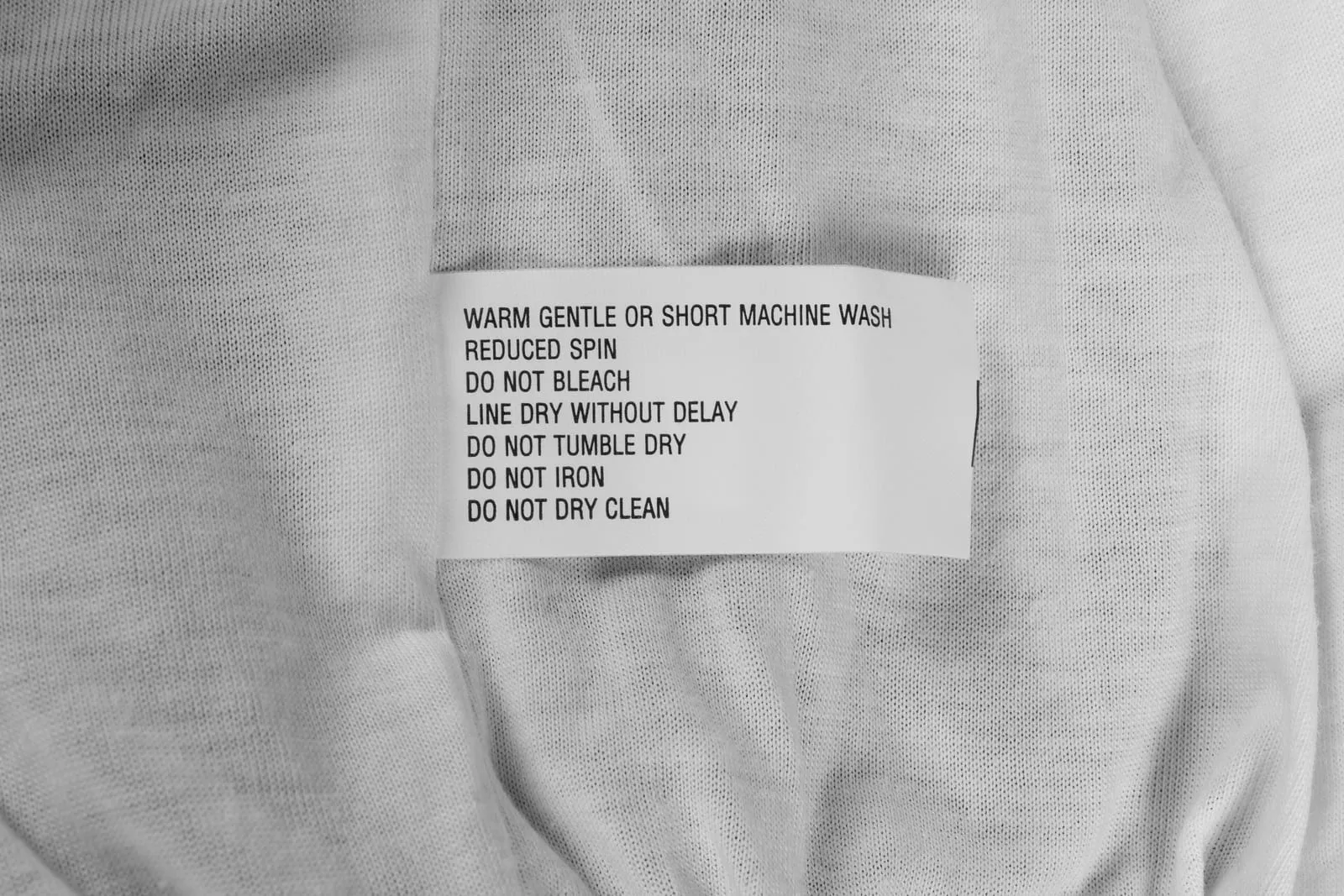
- Note whether the garment is meant to be washed hot or worn in chlorinated water, both of which shorten the life of the elastic.
- Feel how much force the band applies when stretched; a band that fights back hard will be the first to give up.
Choosing the construction deliberately, rather than accepting whatever the waistband happens to be, gives you a garment that can be kept rather than retired.