Showing Posts From
Clothing care

- Curve File Editorial Team
- 21 Aug, 2026
Swimwear: Fit, Lining and Care
A swimsuit is a garment built from elastic fabric, worn stretched, and then exposed to things that attack elastic. That combination explains nearly all of its behaviour: why it fits differently wet and dry, why a suit that fitted in the shop feels loose by the end of a season, and why the care routine matters more here than in almost any other kind of clothing. The structural questions are worth separating from the seasonal ones. A suit that has lost its shape because the elastane has aged is a different situation from one that never fitted properly, and the two are often confused because the visible symptom, a suit that no longer holds, looks the same. What water and sunlight do to the fabric The elastic fibre in a swimsuit, usually elastane, is what lets the fabric stretch and return. Repeated exposure to chlorine, which is present in most treated pools, degrades that fibre over time. Salt water has a lesser effect but still leaves residue that can hold grit and dirt in the weave. Heat, whether from a hot tub or a hot wash, accelerates the same process. Sunscreen is a separate problem, because the oils and the mineral particles can both affect the fabric. Oil-based products can leave marks and can affect the fibre surface, and they can stain a pale lining permanently. The effect is worse when the product is applied and the suit is put on immediately, so it is worth letting sunscreen dry before dressing. Sun itself breaks down elastic fibres over long exposure, which is one reason a suit left to dry in direct sun ages faster than one dried in the shade. Lining and the second layer Lining in swimwear is not decorative. A double layer of fabric across the front and the seat adds structure, controls opacity when the outer fabric is wet, and divides the tension of the stretch across more material. Front lining does the most work for support, because a double layer resists stretching more than a single one. A shelf layer inside the bust area is a simpler version of the same idea, and a moulded cup is a third. Which construction you want depends on how much support the suit needs to give and how the outer fabric behaves when wet. Wet fabric is heavier and less opaque than dry fabric, and it also stretches more. This is why a suit that looks fine in the shop can feel quite different after a length in the water: the outer layer relaxes and the body moves differently, so the fit changes. A suit with only a single layer at the front and no internal support will change most when wet. That is a manufacturing decision, and it is worth checking before buying rather than after. Judging the straps, the back and the gusset Three areas decide whether a suit will stay in place. Straps. A strap should sit flat on the shoulder without cutting in, and it should stay on the shoulder when you move. Adjustable straps are worth preferring, because they let you correct the length as the suit relaxes. A strap that is too thin concentrates the load; a wider strap, or a cross-back design, spreads it. The back. A suit with a racer back, where the straps meet between the shoulder blades, holds the shoulders in place without needing them to carry the load. A suit with a low back relies on the straps and the body of the fabric, and it will move more when you swim. Neither is better in the abstract; they fail differently. The gusset. This is the crotch of the suit, and it should lie flat with the leg openings neither cutting in nor standing away. A lining in the gusset is normal. If the gusset pulls to one side when you stand, the leg openings or the body length are wrong for your torso, and no adjustment will fix it. There should be enough length in the body of the suit to stand upright without the shoulder straps lifting the whole suit. If the suit rides up when you stand straight, it is short in the torso. The movements to test Try the suit on over a base layer if you prefer, and work through the same sequence you would use for any close-fitting garment.Stand and raise both arms overhead; the straps should stay on the shoulders and the gusset should not lift. Reach forward and down as if touching your toes; check whether the back of the suit pulls away from the body. Twist and bend to each side; the leg openings should stay in place. Sit down and cross your legs; the gusset and the side seams should not dig in. If it is safe to do so and you can arrange it, get the suit wet in a shower before a final decision. Wet fit is the fit that matters.Test with the sun protection you plan to wear, because the product changes the friction between skin and fabric and can affect how the suit slides. Rinsing and drying after a swim Rinse in cool fresh water as soon as you reasonably can, ideally while the suit is still wet. Rinsing removes chlorine, salt, sunscreen residue and grit before they have time to sit in the weave. A brief soak in cool water, with a very small amount of mild soap if you want to remove oils, then a thorough rinse, is enough. Do not wring the suit to remove water. Wringing twists the fabric and pulls on the elastic fibres, and repeated wringing stretches the garment permanently. Instead, press the water out between flat hands or roll the suit in a towel and press gently. Dry it flat, in the shade, away from direct heat. Do not hang a wet suit by its straps, because the weight of the water will stretch them. Do not leave it in a plastic bag or in a hot car, and do not put it in a tumble dryer; heat is the main thing that ages elastane. When the suit has genuinely gone A suit that has lost its stretch will feel soft and will not snap back when you pull a section of it. That is fibre fatigue, and it cannot be restored. A suit that still springs back but no longer fits is a different problem, and it is usually a change in the body, not a failure of the suit. Test it simply: hold a section of the fabric at the leg opening or the strap, stretch it a little and let go. A healthy suit returns quickly and firmly. One that returns slowly or not at all is finished as a swimming garment, though it may still serve as a layer under something else. If the elastic has gone but the outer fabric is sound, that is worth knowing, because the failure is uniform rather than local. A suit that has failed in one place only, such as a strap or a seam, is usually a repair rather than a replacement. Care that gets the most out of a suitRinse after every wear, without exception. Wash by hand in cool water with a mild soap; if you must use a machine, use a mesh bag and a delicate, cold cycle. Never wring, never bleach, never use fabric softener, which leaves a film that reduces the fabric's ability to shed water. Dry flat in shade, never over a radiator or in a dryer. Rotate between two suits if you swim often, so each one has time to recover between outings. Apply sunscreen before dressing, and let it dry.A suit that gets this treatment holds its shape for several seasons of regular swimming. One that does not can lose its recovery in a single summer, and the difference is nearly all in the routine rather than in the suit.
- Curve File Editorial Team
- 20 Apr, 2026
Making Clothes Last: Washing, Drying and Storing Plus-Size Garments
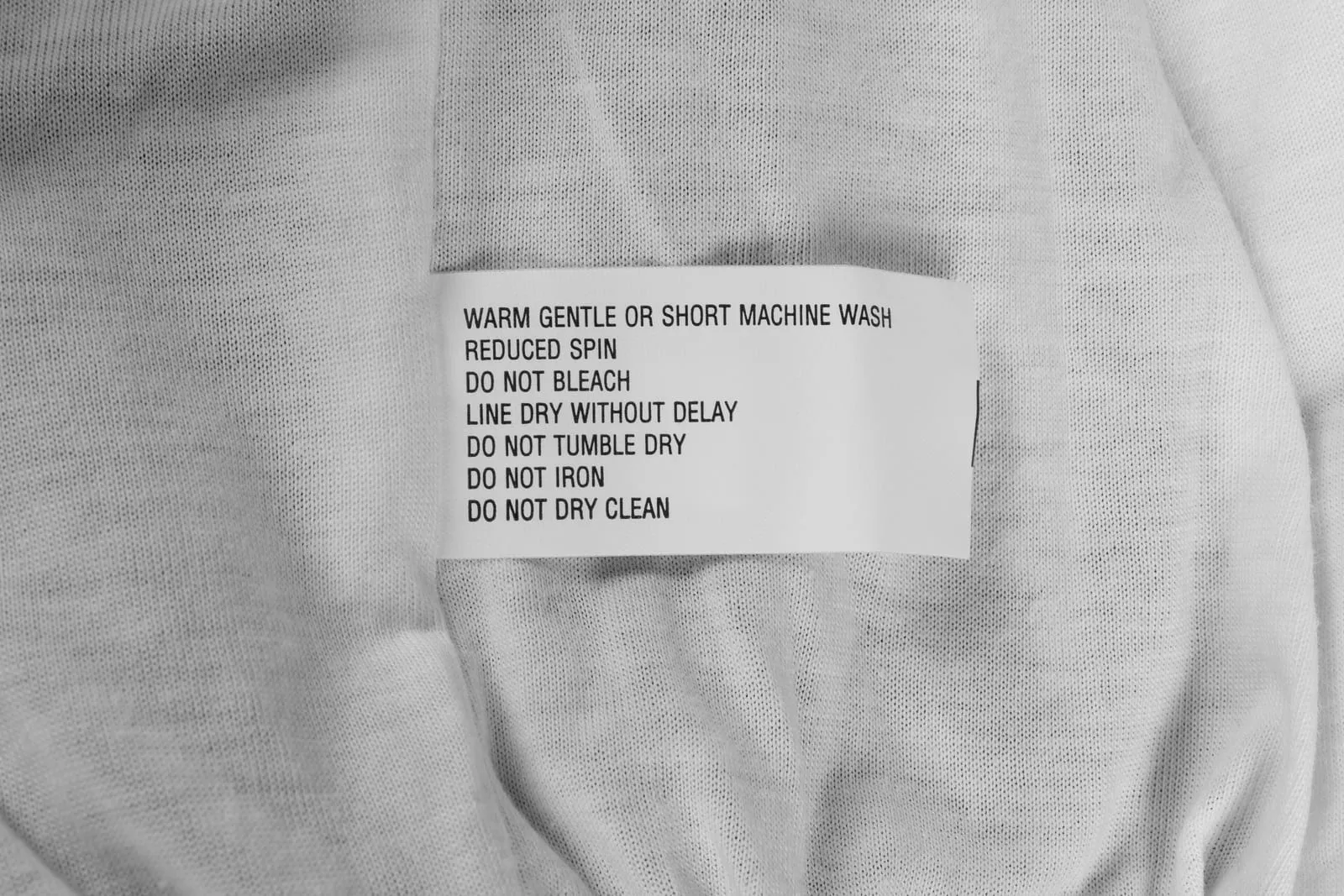
Fit is not fixed at the moment of purchase. A garment that fits well is relying on the fabric's structure, its stretch and its recovery, and all three are slowly dismantled by heat, weight and careless storage. On a larger garment there is more fabric under more tension at the seat, the elbow and the knee, so the same treatment costs more. Heat is the main enemy Most of what ruins clothes in a domestic laundry is temperature. Heat shrinks wool, degrades elastane, sets creases into synthetic knits, fades dye and dulls dark colours. Read the care label and treat its temperature as a ceiling rather than a target. A cooler wash with a slightly longer cycle cleans most everyday garments just as well, and it is much gentler on anything with stretch in it. Three habits follow from that:Turn garments inside out before washing. Most of the abrasion happens on the outside, where you sit and lean. Inside out protects the surface and lets the detergent reach the skin side. Wash similar weights together. A heavy pair of trousers tumbling against a thin knit abrades it. Sorting by fabric weight matters more than sorting by colour, though you should do both. Don't overload the drum. A crammed machine means less agitation, more creasing and more strain on seams when the load is spun.Skip fabric softener on anything with elastane or a technical finish. It leaves a film on the fibre, which is the opposite of what a knit that needs to recover its shape requires. A half-cup of white vinegar in the rinse does the softening job without the coating. Washing by fabric Knits and jersey. Cool wash, gentle cycle, mesh bag if the knit is fine or the garment is heavy. Skip the dryer entirely. Wool and tailoring. Cold or wool cycle with a detergent made for wool, minimal agitation, and no wringing. Wool felts when it is heated and agitated, and a jacket that goes through a normal cycle will not return to its shape. Denim. In cold water, inside out, and less often than you think. Denim loses indigo and shape with every wash. Spot-clean between washes and hang it to air. Viscose and rayon. These weaken when wet, so handle a soaked viscose garment gently and never hang it dripping. Lay it flat or dry it on a rack with support. Lined and structured garments. If there is interfacing or canvas inside, dry cleaning is usually the safer route, and the label will say so. Home washing a structured jacket can delaminate the interfacing, which is what gives the shoulder its line. Drying without stretching it out Weight is the second enemy, and it acts through water. A wet knit dress is heavy enough to pull its own shoulders out of shape.Dry knitwear flat, reshaped to its original dimensions, on a towel or a mesh rack. Never on a hanger. Dry heavy garments flat or over a rack, not hanging by the shoulders. Hang trousers by the waistband or dry them flat; hanging them by the hem puts all the weight into the waistband and the crotch. Use low heat if you must tumble, and take anything with elastane out while it is still slightly damp. High heat is what makes a waistband go slack and a knit lose its snap. Tumble only what is designed for it. Heavy cotton and towels survive it; almost nothing else improves.If a garment does shrink, check the length before deciding it is ruined. A hem can be let down, and a slightly shorter dress is often still wearable — but a shrunken knit that has lost its recovery is done. Storing so that fit survives Storage damage is slow and easy to avoid.Fold knits, never hang them. A knit on a hanger stretches at the shoulder within weeks, and that stretch does not come back. Hang wovens and tailoring on wide, shaped hangers that support the shoulder line. Thin wire hangers concentrate the weight on one point of a shoulder seam. Store only clean clothes. Small amounts of body oil and deodorant become stains over months, and food or sweat attracts moths. Wool, in particular, should never go away dirty. Give garments room. Compressing clothes in an overstuffed drawer creases interfaced and coated fabrics permanently, and it crushes the loft out of a knit. Keep light off stored clothes, especially dark colours, and keep the space dry. Damp encourages mildew in natural fibres, which is very hard to remove.Between washes and repairs You do not need to wash as often as you do. Air a garment overnight, brush wool with a soft brush to lift the nap, and steam it rather than pressing it: steam relaxes wrinkles and helps a knit return to shape without flattening the surface. Learn to spot the three repairs that keep garments wearable:A popped seam at a strain point. Usually the seat, the underarm or the crotch. Stitch it with a slight zigzag rather than a straight line, so the repair can move with the fabric. Do it early, before the fabric around the seam thins. Pilling. A fabric shaver removes the pills, but the pilling tells you something: the fibre is abrading where it rubs, usually under the arms or between the thighs. Keep it shaved so the surface does not catch on itself further. A dropped hem. On a heavier garment, a hem comes down at the back or the side because of the body underneath it. A tailor can rehang it, and it is a cheap fix compared with replacing the garment.Care is a fit issue The reason to bother is not thrift for its own sake. A garment whose fabric has lost its recovery no longer fits: it hangs at the seat, gaps at the elbow and rides up at the hem. Looking after the fabric is how you keep the fit you paid for, and it is the only part of the fit that you control after the tags come off.